Radio Brisvaani

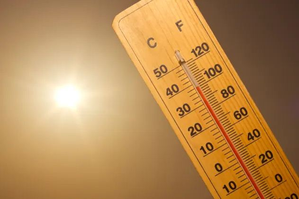
New Delhi, July 10 (IANS) As extreme heat grips many countries and becomes “the new normal”, the UN Environment Programme (UNEP) warned of heightened health risks for older persons in the Frontiers 2025 Report published on Thursday.
Other highlighted impacts of climate change include the melting of glaciers that reawaken ancient pathogens and floods that risk releasing dangerous chemicals.
The seventh edition of the Frontiers Report, The Weight of Time – Facing a new age of challenges for people and ecosystems, is part of UNEP’s Foresight Trajectory initiative and highlights emerging environmental issues as well as potential solutions.
The first edition in 2016 warned of the growing risk of zoonotic diseases, four years before the COVID-19 pandemic. This report is released as communities across China, Japan, India, Europe, the US and elsewhere face weeks of extreme heat and flooding.
“Heat waves are among the most frequent and deadly impacts of climate change, along with floods and shrinking ice cover,” said Inger Andersen, Executive Director of UNEP.
“We must be prepared for the risks these impacts pose, especially for society’s most vulnerable, including older persons. Yet as this year’s Frontiers Report shows, solutions exist that can help protect communities and restore ecosystems long thought to have been lost,” Anderson said.
Adults aged 65 and above now form an increasingly dominant part of the world population, particularly in urban areas of low- and middle-income countries.
The report notes that annual heat-related deaths among older people have risen by an estimated 85 per cent since the 1990s.
Additional risks arise from deteriorating air quality and floods in low-lying coastal cities where older people live.
Older people, especially those with chronic illnesses, limited mobility, or frailty, are particularly vulnerable to heat-related health issues, including respiratory, cardiovascular, and metabolic diseases, as well as increased mortality.
The report recommends making cities pollution-free, resilient, and accessible spaces with expansive vegetation. Key strategies include better urban planning, community-based disaster risk management, and improved access to climate information for older populations.
Earlier this year, the UN Human Rights Council adopted a new resolution to develop an “international legally binding instrument on the human rights of older persons”, a possible path to add safety to those most exposed to climate change.
Beyond the risks to older people, the report also warns of ancient microbes awakening. Should global temperatures rise more than 2 degrees Celsius above pre-industrial levels, this would significantly reduce the cryosphere in mass, which includes glaciers, seasonal snow, ice sheets and shelves, sea ice, seasonally frozen ground, and permafrost.
The report also identifies risks from the remobilisation of chemicals that were banned and phased out decades ago.
Floods can bring such chemicals to the surface after having accumulated in sediment over centuries.
Another emerging threat the Frontiers 2025 Report addresses is the risk of ageing dams. Alongside many benefits, dams can harm indigenous and fishing-dependent communities, as well as degrade ecosystems.
Removal of large, older dams that have become unsafe, obsolete, or economically unviable is increasingly happening in Europe and North America.
The report highlights potential benefits of the removal of dams and barriers in restoring natural river connectivity for biodiversity and ecosystems. Reversing river fragmentation and restoring natural processes support the implementation of the UN’s principles for ecosystem-restoration initiatives.
–IANS
vg/svn