Radio Brisvaani

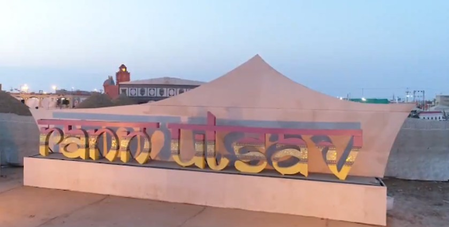
Ahmedabad, Dec 3 (IANS) The much-awaited Rann Utsav has officially begun in Gujarat, drawing travellers from across India and the world to the breathtaking white desert of Kutch.
Announcing its commencement, Gujarat Chief Minister Bhupendra Patel highlighted the festival’s global appeal as he prepared to visit Dhordo, the heart of the celebration.
The vast expanse of the White Rann, stretching endlessly across the horizon, sets the stage for an immersive cultural experience unique to Gujarat.
This year’s Rann Utsav brings together the best of Kutch: traditional mud-crafted bhunga accommodations, vibrant handicrafts, regional cuisine, and a range of adventure activities for thrill-seekers.
Cultural performances, light-and-sound shows, and dedicated children’s play areas add to the festive atmosphere, making it an inclusive destination for families and travellers alike.
Beyond Dhordo, visitors can explore Kutch’s landmark destinations such as Dholavira, Road to Heaven, Lakhpat, Mata no Madh, Narayan Sarovar, Kalo Dungar, Smritivan, and Mandvi—each offering a slice of the region’s history, spirituality, and natural beauty.
Running until February 20, Rann Utsav stands as a celebration of Gujarat’s heritage, craftsmanship, and hospitality, inviting visitors not just to see Kutch, but to feel its soul.
Rann Utsav, held in the White Desert of Kutch, began in the mid-2000s as a state-led initiative to showcase the region’s rich culture, craftsmanship, and natural beauty to the world.
What started as a modest cultural festival has grown into one of India’s most iconic tourism events, attracting lakhs of visitors each year.
Its history is deeply tied to the revival of Kutch after the devastating 2001 earthquake—Rann Utsav became a platform to rebuild local livelihoods by promoting Kutch’s artisans, musicians, and traditional communities.
Over the years, it has evolved into a symbol of Gujarat’s cultural pride, blending heritage, hospitality, and economic empowerment.
Today, the festival not only preserves the legacy of Kutch’s folk arts and crafts but also positions the region as a global destination, giving the once-isolated salt desert a new identity rooted in resilience and celebration.
–IANS
janvi/dan