Radio Brisvaani

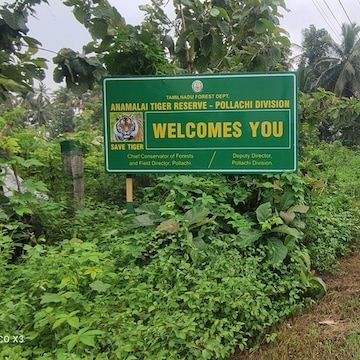
Chennai, Dec 17 (IANS) A six-member Tamil Nadu forest Department-led committee constituted to address the escalating instances of human-wildlife conflict in the Valparai plateau has begun coordinated consultations with multiple government departments and estate authorities, and is in the process of finalising its recommendations for submission to the government.
The panel, headed by Additional Principal Chief Conservator of Forests S. Rama Subramanian, held a review meeting with officials from the municipality, revenue, police and labour departments at the Valparai Municipal Commissioner’s office.
The discussions focused on improving basic infrastructure in tea estates, strengthening waste management systems and introducing preventive measures to minimise encounters between humans and wild animals.
Officials said the committee is expected to complete its report by the end of the week after incorporating suggestions raised during the meeting, though the state government has given the panel a total of 15 days to submit its findings.
As part of its immediate directives, the committee instructed the labour department to ensure that estate managements provide essential amenities such as adequate lighting, functional toilets and a safe living environment for workers, particularly migrant labourers residing in forest-fringe areas.
Inadequate infrastructure and poor visibility around residential quarters were identified as key factors contributing to wildlife attacks.
Municipal officials were asked to clear garbage at the earliest instead of allowing waste to accumulate in open spaces for prolonged periods. Accumulated waste attracts wild animals into human habitations, increasing the likelihood of conflict.
The municipality has also been directed to strengthen lighting, sanitation and solid waste management, including the disposal of solid waste generated by tourists visiting Valparai.
In the past week, committee members visited several tea estates, including Iyerpadi estate, where an eight-year-old boy was killed in a leopard attack. Inspections were also carried out in other estates to assess the availability of basic facilities and safety arrangements for workers.
A committee member said efforts are underway to replicate the Sakthi estate model — where comprehensive amenities have been provided to workers — in other estates across the region. Members of an NGO have also been roped in to conduct awareness programmes for migrant workers on dos and don’ts to prevent wildlife encounters.
“In the last 18 years, more than 60 people have died due to human-animal conflict in the Valparai region,” the official said.
Estate authorities have sought additional manpower and vehicles to chase away wild elephants during emergencies.
The panel has also instructed estate managements to clear bushes around workers’ houses, with vegetation to be removed up to 30 to 40 feet on all sides to improve visibility and help residents detect the movement of animals such as leopards and sloth bears near their homes.
–IANS
aal/dpb