Radio Brisvaani

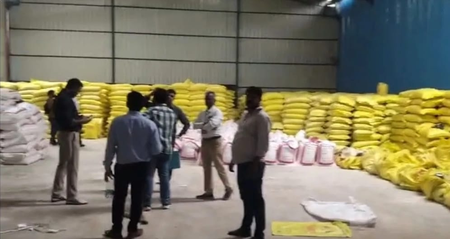
New Delhi, Dec 31 (IANS) The government’s total fertiliser subsidy outgo is expected to remain substantial at around Rs 1.9 lakh crore in FY27, marking a major fiscal commitment to ensure affordability and availability of fertilisers, a report said on Wednesday.
The report from ICRA forecasted that fertiliser sales volumes will grow at a steady 1 per cent to 3 year-on-year rate in FY27, broadly in line with long-term trends.
The data showed that the higher Nutrient‑Based Subsidy rates for the Rabi season of FY26 will support domestic NPK manufacturers, but profitability of imports of Di‑ammonium Phosphate is doubtful due to elevated international prices.
Nutrient Based Subsidy (NBS) structure does not fully close the cost gap for importers, it noted. The agency forecasted that that budgeted subsidy allocations for P&K fertilisers in FY26 may prove inadequate, calling for supplementary allocations to meet shortfalls.
“The profitability of P&K fertilisers is expected to remain stable, with the Government of India likely to keep subsidy rates under the NBS scheme remunerative to ensure comfortable availability of non‑urea fertilisers for farmers,” said Varun Gogia, Assistant Vice President & Sector Head, ICRA said.
The government is expected to revise the energy norms and the fixed costs payable to urea units as part of the retention pricing mechanism by the end of this fiscal. The new policy regime will have crucial impact on the profitability of urea units going forward, Gogia added.
Apex business chamber CII, earlier this week, proposed that fertiliser subsidies, which accounts for 39 per cent of total central subsidies, should transition to a Direct Benefit Transfer (DBT) model to curb misuse and promote balanced fertiliser use. Issuing the DBT amount or fertiliser coupons before sowing can address farmers’ concerns about upfront expenses.
Prime Minister Narendra Modi on December 21 laid the foundation stone of the ammonia-urea fertiliser project at Namrup in Assam’s Dibrugarh district, which will be set up with an investment of Rs 11,000 crore.
–IANS
aar/pk