Radio Brisvaani

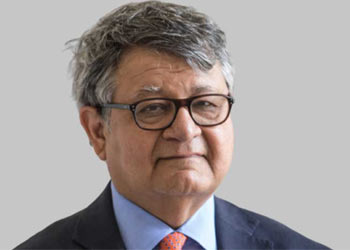
New Delhi, Jan 10 (IANS) State institutions must take on a much bigger role in research, development and innovation if India is to achieve technological self-reliance and the goals of Viksit Bharat, Vice Chairman of NITI Aayog, Suman Bery, said on Saturday.
Delivering a special address at a national workshop on “Sustaining Innovation: Embedding R&D in State Institutions”, Bery stressed the need to strengthen state-level innovation systems and build robust research and innovation clusters across states.
“India’s long-term growth and self-reliance would depend on how effectively states embed R&D as a core function of governance,” he said.
The two-day workshop, held on January 8 and 9, was hosted at Amrita Vishwa Vidyapeetham, Coimbatore, in association with the Tamil Nadu State Council for Science and Technology.
The event brought together institutional leaders, planning secretaries from state departments, industry leaders and senior officials to discuss ways to strengthen India’s state-level innovation ecosystem.
Welcoming participants, Maneesha Vinodini highlighted the importance of collaboration between academia, government and industry in shaping effective innovation policies at the state level.
Setting the context of the workshop, Vivek Kumar Singh said that while India has made significant progress in research publications and patents, there remains a gap in converting knowledge into usable products and socio-economic solutions.
He emphasised that active participation by states is critical to expanding and sustaining the country’s science, technology and innovation ecosystem.
The workshop was also attended by V K Paul, who said states must evolve from being mere implementers of central schemes to becoming co-creators of a resilient and distributed national innovation system.
He noted that embedding R&D as a continuous governance function, rather than as isolated initiatives, will shape the next phase of India’s innovation journey.
Lalnilawma underlined the importance of grassroots innovation, saying such ideas are deeply rooted in society but often fail to scale.
He called for a shift from beneficiary-driven approaches to partnership-based public schemes to help communities become active contributors to innovation.
–IANS
pk