Radio Brisvaani

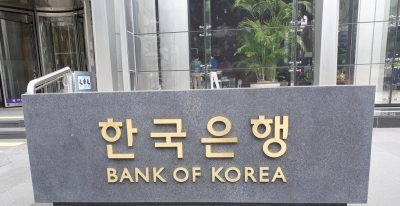
Seoul, Jan 20 (IANS) The number of young South Koreans who are neither working nor seeking employment has surged in recent years, raising concerns about structural strains in the labor market, a central bank report showed on Tuesday.
According to a Bank of Korea (BOK) report on youth employment, the share of people aged 20 to 34 classified as “resting” rose to 22.3 per cent in 2025 from 14.6 per cent in 2019, reports Yonhap news agency.
The category refers to individuals who are not employed and are not engaged in job searches, education or training without specific reasons, such as child care or illness.
Among them, the number of young people who said they do not want to work at all climbed to around 450,000 last year, up from 287,000 in 2019.
Youths with a junior college education or less accounted for a larger share of the “resting” group, but the proportion of university graduates has been rising markedly in recent years, the BOK said.
The BOK attributed the trend to structural factors, including artificial intelligence (AI)-driven changes in the labor market, companies’ growing preference for experienced workers and slowing economic growth.
The central bank countered common perceptions by noting that “resting” youths do not necessarily have high wage expectations. Their average minimum expected annual salary stands at about 31 million won (US$20.975), broadly in line with other unemployed young people.
“The increase in the young people simply out of the job market could reduce labor supply not only in the short term but also over the longer term, undermining the country’s overall economic growth potential,” Yoon Jin-young, a BOK official and author of the report, said.
“The issue should be addressed not only as a cyclical challenge but also as a structural one,” Yoon said, calling for stronger incentives and policy measures to encourage young people to re-enter the labour market and to improve youth employment conditions through reforms.
—IANS
na/