Radio Brisvaani

New Delhi, Feb 17 (IANS) India’s textile and apparel export sector is on its way back to recovery from the uncertain past and is likely to do even better than any time earlier once the country’s new trade deals come into force, according to industry players.
Industry players also dismissed reports of a threat from Bangladesh exporters, with Dhaka having entered a trade deal with Washington, securing zero reciprocal tariffs on such goods, as “exaggerated and unfounded”.
“With the United States reducing tariffs to 18 per cent and India’s FTA (Free Trade Agreement) with the EU having zero duty access to textiles and apparel, we see the business growing by at least 30-40 per cent in another two years,” stressed Animesh Saxena, General Secretary, Garments Exporters and Manufacturers Association.
Panic gripped the industry earlier this month following reports of Bangladesh exporters holding an edge with “zero-tariff benefits” in Dhaka’s trade agreement with Washington, soon after New Delhi’s.
Commerce Minister Piyush Goyal had to reassure them that India too is likely to receive benefits similar to those of Bangladesh. He clarified that it will be evident once the legal text of the interim trade deal is inked, expected next month.
“There are inherent conditions, where the (Bangladesh’s) exporters will have to buy American cotton, use it to manufacture the garment, and then ship these,” pointed out R. K. Vij, President, Textile Association (India).
“US cotton is expensive, and logistical costs will also add to the overall price, which may offset the duty saved,” he said.
On India’s cotton growers’ interest against imports, the industry leaders said that the farmers are taken care of by the government through the minimum support price (MSP) and import duty.
“US cotton can’t flood India; it’s expensive. Indian cotton is a cheaper option. It is largely American cotton with higher fibre quality, which is not available in India, that is imported,” an industry leader pointed out.
“Moreover, cotton prices fluctuate in the international market. The price you see now may change in some time,” added Vij.
He also stressed that India, in reality, holds an edge over other Asian competitors in its trade deal with the US, with a reciprocal tariff of 18 per cent. Bangladesh faces a duty of 19 per cent, and Vietnam, 20 per cent, he reminded.
Garments usually face a 12 per cent duty as Washington’s Most Favoured Nation (MFN) tariff, which means Bangladesh will attract a total duty of 31 per cent. For India, it would be about 30 per cent.
“The major issue was over the (uncertainty in) India-United States trade deal,” agreed Dinesh Babu, Executive Secretary, Tiruppur Exporters’ Association.
“Now it’s all been segregated, and things are in good shape. With all the FTAs with the EU and the UK, I think the way forward is very good,” he added.
With the “mother of all trade deals”, India’s current Rs 3.19 lakh crore in global textile and apparel exports, including Rs 62.7 crore to the EU, such products gain zero-duty access to at least 27 countries.
India’s industry leaders also shared that they have been intimated that the nuances of New Delhi’s trade deal with Washington will be known next month, while the FTA with the EU is likely to take effect in six to seven months.
“It’ll be a win-win situation for India’s textile and apparel exporters,” Saxena said.
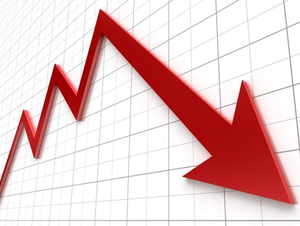
Between April 2025 and January 2026, India’s textile exports registered a degrowth of (-) 2.35 per cent, according to data shared by Confederation of Indian Textile Industry (CITI). Textile exports in January declined by (-) 3.68 per cent, while apparel exports were down by (-) 3.84 per cent in January 2026 compared with January 2025, as per the data.
–IANS
jb/vd