Radio Brisvaani

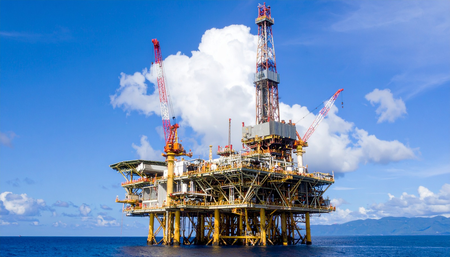
Seoul, March 1 (IANS) The industry ministry said on Sunday it is preparing for all contingencies, including a possible closure of the Strait of Hormuz, amid escalating tensions surrounding Iran, adding the impact on shipping logistics currently remains limited
The Ministry of Trade, Industry and Resources held an emergency meeting with relevant ministries and institutions to assess the economic and industrial impact of the massive U.S.-Israeli strike on Iran the previous day, which came amid stalled talks over Tehran’s nuclear program.
The attack reportedly killed Iran’s Supreme Leader Ayatollah Ali Khamenei, reports Yonhap news agency.
Given recent developments, authorities need to mobilise all available measures based on various scenarios to minimise economic fallout, particularly in the event of a blockade of the Strait of Hormuz, by closely managing oil tanker schedules and securing alternative shipping routes, the ministry said.
The Strait of Hormuz is the world’s most critical oil export route, linking the Persian Gulf to global markets. South Korea, which relies heavily on energy imports, could be especially vulnerable to disruptions in the waterway.
South Korea currently holds several months’ worth of strategic oil reserves, along with gas inventories exceeding mandatory stockpiling requirements.
The ministry said it will release strategic oil reserves into the domestic market following internal reviews should the crisis become prolonged and private-sector crude inventories fall below a certain threshold.
The government also plans to roll out supportive measures for exporters, such as liquidity assistance and logistics cost support through export vouchers and other aid programs, as prolonged instability could have broader ripple effects on exports through higher oil prices and freight costs.
If shipping disruptions intensify, authorities will consider additional steps, including deploying temporary vessels, according to the ministry.
So far, the impact of the Middle East conflict on maritime logistics has been limited, it said, adding most major container carriers have been rerouting around the Cape of Good Hope since the Red Sea crisis in 2023, instead of using the Suez Canal.
The ministry vowed to continue enhanced real-time monitoring through its emergency response task force established Saturday while closely coordinating with relevant agencies.
The government also pledged to minimise the possible impact of oil price fluctuations on domestic energy prices and overall inflation.
—IANS
na/