Radio Brisvaani

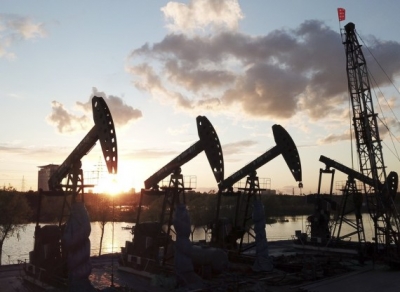
Seoul, March 9 (IANS) South Korean companies are seeking responsive measures to cope with soaring international oil prices as turmoil in the Middle East continues, industry sources said on Monday, while the government called for efforts to stabilise domestic fuel prices.
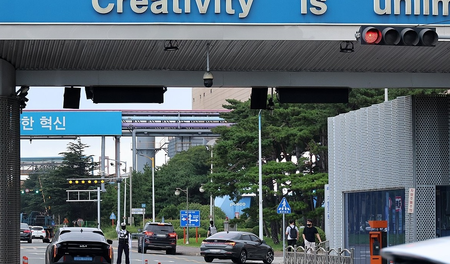
Major companies here, including Samsung Electronics Co., SK Group, Hyundai Motor and Hanwha Group, have held emergency meetings over the past few days to monitor the volatility in the global energy market and come up with ways to minimise the impact of the Middle East crisis on their businesses, according to the sources.
In particular, the airline and shipping industries, heavily affected by fuel prices, have been considering various risk-hedging measures, reports Yonhap news agency.
Flag carrier Korean Air Co. said it is currently hedging up to 50 percent of its expected annual fuel consumption and will flexibly respond to fluctuating oil prices, while HMM Co., Korea’s largest shipping company, said it plans to soon begin imposing fuel surcharges.
Other companies are looking for ways to respond to rising raw material prices and foreign exchange volatility as well, amid concerns the Middle East crisis may also exacerbate global economic slowdown and create stagflation in the Korean economy.
A recent report by Hyundai Research Institute showed that Korea’s economic growth rate in 2026 could fall by 0.3 percentage point if the average oil prices this year hover around the US$100 per barrel level.
Brent crude oil prices, the international oil benchmark, reached $107.54 per barrel at 7:26 a.m., jumping 14.85 percent from the previous day to surpass the psychologically important barrier of $100 per barrel.
Meanwhile, as a way to stabilise domestic fuel prices, Industry Minister Kim Jung-kwan earlier in the day called on major oil refiners to refrain from excessively raising prices, according to his office.
“We ask that transparent and fair petroleum pricing be implemented to ensure that the burden of rising international oil prices due to the recent situation in the Middle East is not unilaterally or excessively passed on to consumers,” Kim said in a meeting with oil refinery industry representatives and related authorities in Seoul, according to the Ministry of Trade, Industry and Resources.
Officials from SK Energy Co., GS Caltex Corp., S-Oil Corp. and HD Hyundai Oil Bank Co. attended the meeting.
Kim noted that although domestic oil prices normally reflect a change in global oil prices with a two-week term, prices here have escalated swiftly after the United States and Israel initiated airstrikes against Iran last week.
The minister warned that any attempts to take advantage of rising international oil prices in a way that undermines efforts to stabilise people’s livelihoods will be met with grave responses.
The average gasoline price in Seoul topped 1,900 won (US$1.28) per litre for the first time in nearly four years Friday and further rose to 1,947.4 won as of 9 a.m., according to data compiled by the Korea National Oil Corp.
Amid public criticism, the Korea Oil Station Association earlier said the primary reason behind the recent jump in domestic fuel prices was the supply price hike by oil refineries.
The government has issued a precautionary alert on a possible resources crisis last week to preemptively respond to volatility in the energy market amid continuing turmoil in the Middle East, working to secure additional oil supplies from regions other than the Middle East and devising a detailed plan for the potential release of oil reserves.
—IANS
na/