Radio Brisvaani

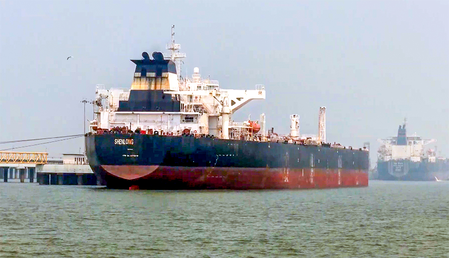
New Delhi, March 12 (IANS) The ongoing conflict in West Asia has triggered the largest supply disruption in the history of the global oil market, according to a report released on Thursday.
According to the report by the International Energy Agency (IEA), with limited capacity to reroute shipments and storage facilities filling up, oil-producing countries in the Gulf have cut production by at least 10 million barrels per day, it added.
“Unless tanker traffic through the strategic waterway resumes quickly, supply losses are likely to deepen further,” it said.
Crude and petroleum product flows through the Strait of Hormuz have dropped sharply from around 20 million barrels per day before the conflict to minimal levels currently, severely affecting global supply chains, the agency said.
The IEA has estimated that global oil supply could decline by about 8 million barrels per day in March, although some of the losses may be partly offset by higher output from non-OPEC+ producers such as Kazakhstan and Russia.
Major supply reductions are being reported in Iraq, Qatar, Kuwait, the United Arab Emirates, and Saudi Arabia as storage tanks fill and exports stall.
The conflict has also disrupted refined fuel markets.
Export flows of petroleum products through the Strait have nearly stalled, while more than 3 million barrels per day of refining capacity in the Gulf region has already shut down due to attacks and limited export routes.
The disruption is also affecting demand. Widespread flight cancellations and interruptions to LPG supplies across the region could reduce global oil demand by around 1 million barrels per day during March and April, the agency said.
Earlier in the week, member countries of the International Energy Agency agreed to release 400 million barrels of oil from emergency reserves to stabilise markets.
The agency also noted that global oil inventories remain relatively strong at over 8.2 billion barrels, the highest level since early 2021, providing some buffer against supply disruptions.
–IANS
ag/vd