Radio Brisvaani

Chennai, March 14 (IANS) The Tamil Nadu government on Saturday announced a Rs 2-per-unit subsidy on electricity for hotels, tea stalls and cloud kitchens that switch to electric stoves instead of LPG cylinders, as the state moves to address an emerging fuel shortage triggered by the ongoing war in West Asia.
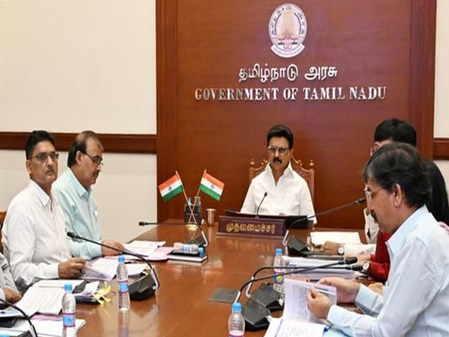
The decision was taken at a high-level meeting chaired by Chief Minister M.K. Stalin, where officials reviewed the impact of disruptions in LPG supply on commercial establishments and the hospitality sector across the state.
According to an official press release, the electricity subsidy will remain in force until restrictions on the use and availability of LPG cylinders are lifted.
The government said the measure is intended to encourage eateries and small businesses to temporarily shift to electric cooking methods while ensuring that their operating costs remain manageable.
In addition to the power subsidy, the state government announced the allocation of 3,228 kilolitres of kerosene for distribution to ration card holders to ease the burden on households during the fuel shortage.
To further support businesses adapting to the crisis, the government said micro, small and medium enterprises (MSMEs) would be eligible for loans to purchase electric stoves and heaters.
Under the Unemployed Youth Employment Generation Programme (UYEGP), entrepreneurs can avail loans with a 25 per cent capital subsidy or a maximum grant of Rs 3.75 lakh.
Similarly, loans will be provided under the Tamil Nadu Women Entrepreneur Empowerment Scheme (TWEES), offering a 25 per cent subsidy or up to Rs 2 lakh.
Under the Annal Ambedkar Business Champions Scheme (AABCS), the government will provide a 35 per cent subsidy with a maximum grant of Rs 1 crore.
Officials noted that 60,698 factories in the state currently operate using fuels such as LPG, CNG, diesel, furnace oil and firewood with the permission of the Pollution Control Board.
These industries have now been allowed to temporarily switch to alternative fuels such as kerosene, RDF (refuse-derived fuel), high-speed diesel (HSD) and biomass without obtaining fresh Consent to Establish (CTE) or Consent to Operate (CTO) approvals from the Pollution Control Board until the crisis subsides.
The government also took steps to protect farmers who could be affected if restaurants reduce operations due to fuel shortages.
Farmers have been permitted to sell their produce without restrictions at 194 Uzhavar Sandhais (farmers’ markets) across the state.
To ensure proper monitoring of LPG distribution, the government has constituted a state-level committee headed by the Chief Secretary to oversee allocation to commercial establishments.
At the district level, committees led by district collectors, with representatives from oil companies as members, will supervise supply.
The Tamil Nadu Hotels Association welcomed the move, calling it a timely intervention.
Its president, M. Venkadasubbu, thanked the Chief Minister for the electricity tariff relief and urged the government to consider additional support, including property tax concessions and industrial electricity tariff benefits for the hotel sector.
He also called for policies allowing hotels with low-tension electricity connections to use solar and wind energy through captive or third-party arrangements, along with full net-metering credit for rooftop solar power generation.
–IANS
aal/pgh