Radio Brisvaani

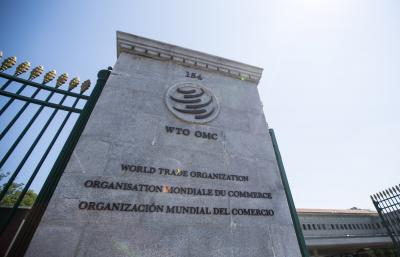
Washington, April 8 (IANS) The United States has sharply criticised the functioning of the World Trade Organization (WTO), with US Trade Representative Jamieson Greer calling it “ineffective and dysfunctional” after the 14th Ministerial Conference failed to deliver meaningful reform, particularly on digital trade rules.
In an op-ed published in The Wall Street Journal on Wednesday, following the conference in Yaoundé, Cameroon, Greer said the WTO is no longer a “serious forum” and warned that its inability to act is undermining global trade stability.
“I arrived a skeptic of the WTO and left even more so,” Greer wrote, describing a meeting marked by low participation from senior ministers and limited progress on key issues.
At the centre of the dispute was the long-running moratorium on tariffs for digital goods such as software and music — a policy in place since 1998. The United States, along with 24 co-sponsors, had proposed making the moratorium permanent to bring certainty to digital trade.
“That would prevent future ministerial conferences from wasting time on a non-issue while demonstrating that the WTO could have a role in future trade negotiations,” Greer wrote.
Despite broad backing, the proposal failed due to the WTO’s consensus-based decision-making system, which requires agreement from all 166 member countries. Some nations pushed for a limited extension, while others tied support to unrelated demands.
“Despite broad support, the need for consensus among all WTO member countries prevented passage,” Greer said.
Efforts to reach a compromise also collapsed. While 164 members were prepared to extend the moratorium for about four years, Greer noted that “delegations from Brazil and Turkey insisted on maintaining the two-year renewal cycle,” blocking progress.
The breakdown highlights deeper structural issues within the WTO, according to the U.S. assessment. Greer argued that divergent priorities among member states and the ability of countries to hold decisions hostage make meaningful reform nearly impossible.
“Because all 166 members must agree to adopt new rules, and members hold divergent views on a range of issues… consensus is nearly impossible,” he wrote.
The United States has increasingly signalled that it will not rely on the WTO to address modern trade challenges. Greer said Washington is instead pursuing regional and bilateral arrangements to tackle trade imbalances and secure supply chains.
“The U.S. isn’t going to spend 30 years waiting for the WTO to respond to the needs of American workers and businesses,” he wrote, adding that recent reciprocal trade agreements are aimed at “opening foreign markets while protecting domestic production.”
He also criticised the WTO’s past role, arguing that it failed to respond effectively to the “China shock” and continues to struggle with enforcement and compliance issues.
“The WTO dispute-settlement system devolved into a forum for endless litigation… and served as a disincentive to settle disagreements,” Greer said.
The stalled talks in Yaoundé have been referred back to WTO headquarters in Geneva for further discussions, though Greer expressed scepticism about any breakthrough. “Unless members pull a rabbit out of a hat, the outcome… is less certainty on e-commerce and worse prospects for a broader reform agenda,” he wrote.
–IANS
lkj/dan