Radio Brisvaani

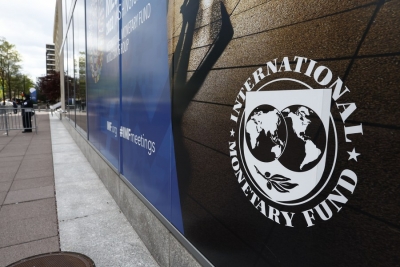
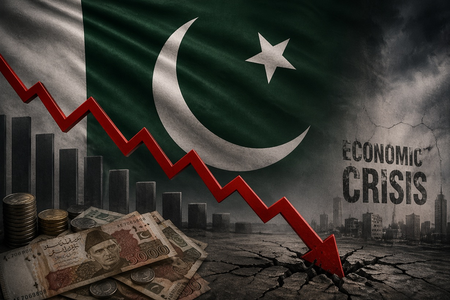
New Delhi, April 28 (IANS) In fresh trouble for financially-starving Pakistan, the International Monetary Fund (IMF) has added 11 new conditions to the ongoing $7 billion Extended Fund Facility (EFF) programme, according to a new report.
A report in Business Recorder says that one condition is the enactment of an amendment to the Special Economic Zones (SEZ) Act and the Special Technology Zones Authority Act to phase out existing fiscal incentives and shift from profit-based to cost-based incentives.
“What was extremely disturbing was the report that the government intends to give 6000 acres in Karachi on lease to developers of SEZs without charge,” the report mentions.
However, the October 2024 IMF documents on the EFF approval observed that the tax system has been extensively used to provide non-transparent support through exemptions for privileged sectors like real estate, agriculture, manufacturing, and energy, as well as, through the proliferation of Special Economic Zones (SEZs).”
The condition was that existing SEZs would be phased out over a decade while no new SEZs will be set up, said the report.
Another new condition is to set up a regulatory registry to improve the business climate.
The report said that this is also a condition in the October 2024 documents wherein the government pledged to “ensure the highest level of transparency in all public procurement at the federal and provincial levels through the electronic Pakistan Acquisition and Disposal System (e-PADS), established with TA support from the World Bank”.
Meanwhile, Pakistan’s fragile economic footing has come into sharp focus amid shifting geopolitical and financial dynamics, even as Islamabad projects itself as a voice for peace on the global stage.
During heightened tensions linked to the US-Israel conflict with Iran, Pakistan drew international attention for its diplomatic outreach. However, behind this image of stability, a sudden financial strain exposed the country’s dependence on external support, according to Dawn report.
The United Arab Emirates withdrew $3.5 billion in deposits, creating immediate pressure on Pakistan’s foreign exchange reserves, the report said.
Inflation has moderated, but high interest rates — maintained on IMF advice — have dampened investment and export competitiveness, trapping the economy in a low-growth cycle. Pakistan’s external position remains particularly fragile.
–IANS
na/