Radio Brisvaani

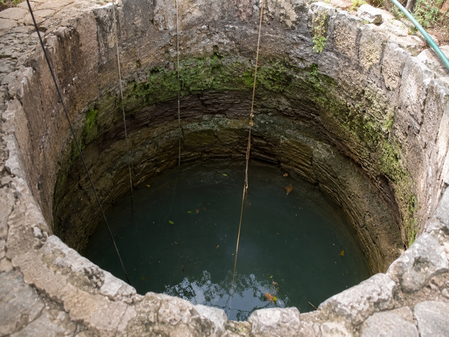
Raisen, May 23 (IANS) Three young girls lost their lives after drowning in a well in Sagaur village under Gairatganj tehsil of Madhya Pradesh’s Raisen district on Saturday.
The victims, all close friends, had gone to fetch water from a well located nearly one kilometre outside the village when the tragedy occurred.
Their desperate attempts to save one another resulted in all three drowning in the deep waters, highlighting the daily hardships faced by tribal families in accessing basic necessities.
The deceased were identified as 12-year-old Radha, daughter of Halkeram, her 13-year-old sister Tanu, also daughter of Halkeram, and their 12-year-old friend Amrita, daughter of Ramgopal, police officials said.
As part of their daily routine, the three girls, accompanied by another village girl named Amina, had gone to the well to fetch water.
Seeking relief from the intense heat, they decided to bathe on the platform around the well.
Police officials said that while filling their vessels, one of the girls slipped and fell into the deep well.
In an attempt to rescue her, the second girl jumped in, followed by the third. However, none of them could survive due to the high water level and the considerable depth of the well.
Amina, who was standing nearby, witnessed the horrifying incident and ran back to the village to alert the families.
The news triggered panic and grief across Sagaur village.
Villagers rushed to the spot and, after considerable effort using ropes and bamboo poles, managed to pull the three girls out of the water.
The families immediately rushed them to Gairatganj Civil Hospital, where doctors declared all three brought dead.
The simultaneous funeral processions of the three children cast a deep shadow of grief over the village.
Personnel from the Garhi police outpost reached the spot and registered a case of accidental death.
Preliminary investigation indicated that the well lacked a protective parapet wall or any safe mechanism for drawing water.
Villagers said the government’s tap water supply scheme in the area remained incomplete, forcing residents, especially women and children, to travel long distances even for basic requirements such as water.
–IANS
sktr/pgh