Radio Brisvaani

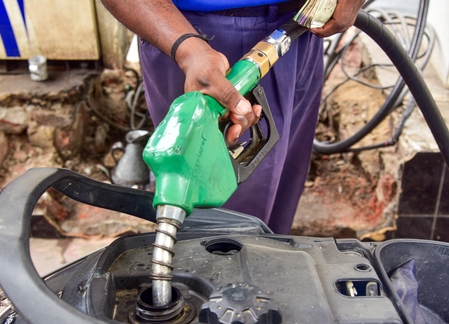
Jaipur, May 25 (IANS) Petrol and diesel prices have increased once again in Rajasthan, marking the fourth fuel price hike this month and further burdening consumers and transport operators. According to the Rajasthan Petroleum Dealers Association, petrol prices in Jaipur have risen by Rs 2.82 per litre, while diesel prices have increased by Rs 2.73 per litre.
Following the latest revision, petrol in Jaipur now costs Rs 112.66 per litre, up from Rs 109.84, while diesel prices have climbed from Rs 95.05 to Rs 97.78 per litre.
Petrol prices have also been revised upward across other major cities in Rajasthan, with hikes ranging between Rs 2.82 and Rs 2.83 per litre.
In Kota, petrol prices increased from Rs 109.38 to Rs 112.21 per litre, while Ajmer recorded a rise from Rs 109.48 to Rs 112.31 per litre, both reflecting an increase of Rs 2.83 per litre.
Sikar now has the highest petrol price among the listed cities, with rates rising from Rs 110.77 to Rs 113.59 per litre, an increase of Rs 2.82.
In Udaipur, petrol prices moved up from Rs 110.66 to Rs 113.49 per litre, showing a hike of Rs 2.83 per litre.
This is the fourth fuel price increase in May. Earlier, on May 23, petrol prices were hiked by 87 paise and diesel by 91 paise.
On May 19, both petrol and diesel saw an average increase of 90 paise per litre, while another Rs 3-per-litre hike was implemented on May 15.
The repeated increase in fuel prices has triggered political reactions, with opposition parties demanding that the Rajasthan government reduce the Value Added Tax (VAT) imposed on petrol and diesel.
Senior Congress leader Ashok Gehlot on Saturday called on the Rajasthan government to immediately reduce the Value Added Tax (VAT) on petrol and diesel, along with road cess, to protect citizens from the effects of severe inflation.
Gehlot accused the BJP-led government, headed by Chief Minister Bhajanlal Sharma, of exploiting the hardship faced by ordinary people by benefiting from increased fuel prices.
Meanwhile, experts believe the fuel hike could have a cascading impact on the economy. Increased freight charges may make vegetables, fruits and grocery supplies transported from other states more expensive. Farmers are also likely to face higher operational costs due to increased expenses on tractors and pumping sets, potentially raising food grain prices.
Public transport, including buses, autos and school transport services, may also witness fare hikes in the coming days.
–IANS
arc/dpb