Radio Brisvaani

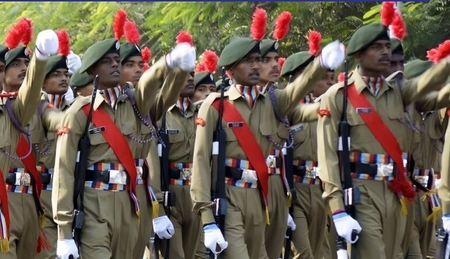
Gandhinagar, Sep 1 (IANS) The Gujarat government has decided to extend financial support for national-level NCC camps to cadets from private schools and colleges, removing a disparity that had previously left them responsible for meeting camp-related expenses.
Under the decision announced on Tuesday, private-school and college NCC cadets selected for national-level camps will receive allowances on the same basis as cadets from government institutions.
The state government will bear 100 per cent of the expenditure, with allowances paid at rates prescribed by the Central government from time to time.
“The decision has been taken under the leadership of Chief Minister Bhupendra Patel, with Education Minister Pradyuman Vaja and Minister of State for Education, Trikam Chhanga. The Education Department has issued a resolution to provide support to eligible cadets from private institutions,” officials said.
The camps covered by the decision include the Republic Day Contingent (RDC), Thal Sainik Camp (TSC), Youth Exchange Programme (YEP), Vayu Sainik Camp (VSC), Naval Sainik Camp (NSC) and National Level Events (NLE).
Selection for these national-level opportunities is competitive, with cadets generally required to participate in around four to five competitive camps during the selection process.
Until now, NCC cadets from government schools and colleges in Gujarat received camp allowances in accordance with applicable Central government norms, while cadets from private institutions did not receive similar financial support from either the state or Centre.
Consequently, the expenses had to be borne by the cadets themselves or their institutions.
The government noted that financial constraints could discourage promising cadets from private institutions from participating in the selection and subsequent national-level camps, despite having the potential to compete at the national level.
Under the new arrangement, the state government will cover the full eligible expenditure for private-institution cadets.
This includes expenses related to messing, travel, generation, incidental and petrol, oil and lubricant (POL) charges, according to the resolution.
The move is intended to ensure that a cadet’s institution does not determine their ability to pursue national-level NCC opportunities.
Selection for the camps will continue to depend on the cadet’s performance, talent, hard work and ability rather than financial capacity. NCC training is aimed at developing discipline, leadership, responsibility and a spirit of national service among young people.
The government expects the financial support to enable more eligible cadets from private schools and colleges to participate in national-level activities and compete alongside their counterparts from government institutions.
–IANS
mys/dpb