Radio Brisvaani

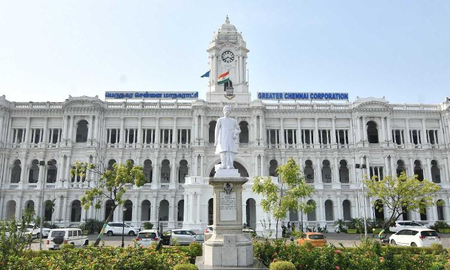
Chennai, Dec 16 (IANS) The Greater Chennai Corporation (GCC) is planning to introduce biogas plants in its schools to encourage the use of clean energy for cooking and to sensitise students to sustainable waste management practices.
The initiative will focus on campuses that have centralised kitchens preparing meals for multiple institutions, allowing maximum utilisation of kitchen waste and cooking gas generated from it.
Chennai Corporation Commissioner J. Kumaragurubaran said the civic body intends to collaborate with willing non-governmental organisations, individuals and residents’ welfare associations to implement the project.
The move is expected to reduce dependence on LPG cylinders and bring down cooking fuel costs in schools.
As a pilot, the GCC is considering setting up biogas plants at four cloud kitchens where large quantities of vegetable and food waste are generated daily. These facilities would be integrated with composting and biogas units and can be established at an optimal cost without requiring extensive maintenance hours, the commissioner said.
The plan follows the successful installation of a biogas plant at a Corporation higher secondary school in South Chennai late last month. The 75-kg capacity unit was installed on the campus with support from a local residents’ association and a service organisation at a cost of Rs 5.7 lakh. The school houses a kitchen that prepares breakfast for around 10 Corporation schools. Currently connected to a single stove, the plant processes about 15 to 20 kg of food waste each day and generates enough gas to meet a portion of the cooking requirement.
The system is estimated to save one LPG cylinder every two months. About 250 students on the campus benefit directly from the initiative, and students are also introduced to the working of the plant as part of environmental awareness activities.
A similar biogas facility was set up last year at another Corporation school in Adyar with the support of a residents’ association and an environmental organisation. School staff reported that the plant helped save seven LPG cylinders over 10 months.
During this time, around 3,200 kg of food and wet waste were diverted from disposal, and the biogas produced was used for cooking for nearly 270 hours.
Apart from reducing LPG consumption, biogas plants also generate slurry that can be converted into compost. This manure can be used for gardening and small-scale food cultivation on school campuses, helping create a closed-loop, self-sustaining system that combines waste management, energy generation and environmental education.
–IANS
aal/dpb