Radio Brisvaani

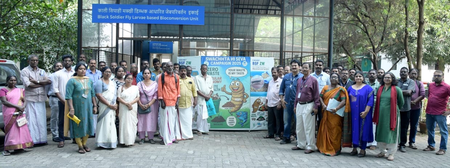
Kochi, Dec 31 (IANS) The ICAR–Central Marine Fisheries Research Institute (ICAR–CMFRI) observed “Swachhta Pakhwada” from December 16 to 31, undertaking a series of cleanliness drives, awareness programmes, and community engagement activities aimed at reinforcing the message that cleanliness is a shared social responsibility.
As part of the fortnight-long campaign, CMFRI staff participated in organised cleanliness drives within and around institutional premises, alongside awareness sessions focusing on plastic pollution, environmental responsibility and scientific waste management practices.
The initiative sought to integrate behavioural change with practical action, in line with the objectives of the national Swachh Bharat Mission.
A key highlight of the programme was a farmers’ training session on innovative food waste recycling technology using black soldier fly larvae.
The training demonstrated sustainable methods of converting organic waste into valuable resources, while also addressing issues related to waste disposal and environmental conservation.
The programme drew participation from stakeholders involved in fisheries and allied sectors.
Special awareness programmes were conducted for fishers, emphasising the importance of hygiene, clean surroundings, and responsible use of marine resources.
Through these interactions, CMFRI scientists underlined the link between cleanliness, public health, and sustainable fisheries.
Public outreach was further strengthened through street plays, which were staged to sensitise local communities on issues of cleanliness, waste segregation and environmental stewardship.
School children were actively involved in the campaign through interactive sessions designed to inculcate environmentally responsible habits at an early age.
These engagements aimed at creating long-term awareness by encouraging students to act as ambassadors of cleanliness within their families and communities.
In addition to outreach activities, the campaign promoted digitalisation and administrative efficiency through the implementation of an e-office system and improved organisation of office records.
Practical measures such as segregation of biodegradable and non-biodegradable waste, removal of weeds and cleaning of open spaces were also undertaken to improve workplace hygiene and optimise available space.
According to CMFRI officials, similar activities were carried out across the institute’s regional centres located in different parts of the country.
The Swachhta Pakhwada initiative, they said, contributed to enhanced workplace hygiene, better resource management and strengthened awareness on cleanliness and environmental responsibility among staff and the wider public.
–IANS
sg/vd