Radio Brisvaani

Thiruvananthapuram, Feb 16 (IANS) In a significant step towards accelerating lab-to-market innovation, CSIR–National Institute for Interdisciplinary Science and Technology (CSIR–NIIST) will formalise multiple technology transfer agreements with industry partners at a ceremony titled “CSIR-NIIST Tech Connect: From Lab to Market” at the CSIR Headquarters at Anusandhan Bhawan in New Delhi on February 18, officials said on Monday.
The Thiruvananthapuram-based laboratory, a constituent of Council of Scientific and Industrial Research (CSIR), will transfer a portfolio of industry-ready technologies spanning functional foods, sustainable materials, waste management and post-harvest processing.
N. Kalaiselvi, Department of Scientific and Industrial Research Secretary and CSIR Director General, will attend the event as the Chief Guest.
The headline innovation is a low glycaemic index (GI), protein- and micronutrient-rich “designer rice” developed to address India’s dual burden of metabolic disorders and hidden hunger.
The technology will be transferred to Tata Consumer Products and SS Soul Foods in Tamil Nadu.
With polished white rice linked to high postprandial glucose spikes and rising Type-2 diabetes, the fortified variant enhances protein content, moderates carbohydrate digestibility and delivers key micronutrients such as iron, folic acid and Vitamin B12 without altering dietary habits.
Two agreements linked to this innovation will pave the way for scaled production and retail access.
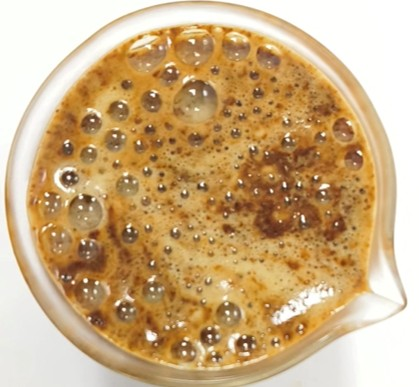
Beyond nutrition, CSIR–NIIST will transfer an indigenous coffee crema technology that enables stable, long-lasting foam, a sensory differentiator for the expanding coffee and beverage market.
In materials science, a bio-based cardanol polyol modified polyurethane dispersion will offer a greener alternative to petroleum-based binders, with applications in leather finishing and metallic coatings.
Addressing India’s 30 to 40 per cent horticultural post-harvest losses, the institute will also commercialise osmotic dehydrated fruit bites and a ready-to-cook vegetable mix developed using Refrigerated Adsorption Dehumidified Dryer (RADD) technology, which improves nutrient retention and shelf life.
In the circular economy space, JAIVAM, an engineered microbiome for rapid aerobic composting, will be transferred after securing multiple industrial licences and approval from the Kerala Suchitwa Mission.
Two cactus-derived plant-based leather alternatives, already commercialised through 15 transfers and four production plants, will also be handed over, reinforcing sustainable manufacturing ambitions.
The event will additionally see the signing of an MoU on low-sodium salt formulations, including hollow salt crystal technology, capable of reducing sodium content by up to 86 per cent while preserving taste perception.
For CSIR–NIIST, the ceremony signals a broader strategic shift positioning public research as a commercial innovation pipeline aligned with nutrition security, sustainability and health-driven consumer markets.
–IANS
sg/khz