Radio Brisvaani

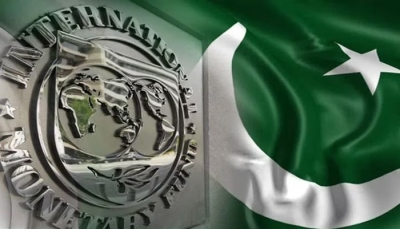
New Delhi, Dec 28 (IANS) The International Monetary Fund’s Executive Board has paradoxically approved another $1.29 billion as financial support for Pakistan despite the multilateral institution’s own report highlighting the corruption in the debt-ridden country, which is coming in the way of repaying these loans.
The IMF has just released a 186-page “Governance and Corruption Diagnostic Assessment” that paints a grim portrait of Pakistan’s institutional decay.
“The timing is striking: the diagnostic was published just before the Board meeting that approved the latest disbursement. In effect, the IMF has acknowledged that Pakistan’s governance vulnerabilities are systemic, yet continues to lend without dismantling the ecosystem of capture that perpetuates the crisis,” according to an article by Dr Sakariya Kareem in the UK-based Asian Lite newspaper.
The report is an institutional autopsy. Corruption, the IMF concludes, is “macro-critical”, embedded in the very structure of the state and economy. It determines who prospers, why growth remains anaemic, and why Pakistan returns to the Fund every few years with its hand out.
The evidence is damning. In fiscal year 2024–25 alone, actual expenditure overshot the approved budget by (Pakistani) Rs 9.4 trillion, five times the previous year’s overrun. These deviations were not debated in the Parliament beforehand; they were regularised after the fact through supplementary grants, presented as fait accompli. This pattern is not new. Ministries spend knowing they will be bailed out, the Finance Ministry accommodates them to avoid political backlash, and the Parliament rubber-stamps overruns that can exceed 10 per cent of the original budget, the article points out.
The Public Sector Development Programme (PSDP), meant to channel resources into growth-enhancing infrastructure, has become a graveyard of unfinished projects. The IMF notes a “large overhang of ongoing projects” with a combined estimated cost of Rs 10.7 trillion. Annual allocations hover around Rs 1.1 trillion, meaning even without new projects, it would take nearly a decade to clear the backlog. Chronic delays, cost escalations, and substandard execution are the predictable result of a system without transparent criteria for project selection or prioritisation.
Anticorruption advocates argue that the IMF must live up to its promises by integrating anticorruption measures into its lending procedures. When corruption is deemed “macro-critical”, as in Pakistan, the Fund should condition disbursements on verifiable governance reforms. Without such accountability, IMF support risks perpetuating the very vulnerabilities it diagnoses, the article observes.
Ultimately, the IMF cannot clean Pakistan’s house. These are tasks only Pakistan’s institutions can perform. If corruption continues to eat away at public resources, the gains from IMF support will not last. The money will come, reserves will rise, but public confidence and economic strength will remain weak. Each loan becomes a temporary reprieve, not a path to sustainable growth, the article states.
It points out that IMF conditionality requires countries to increase fiscal transparency, which should have increased the likelihood that corrupt leaders will be called out on their misdealing. But that doesn’t appear to be happening in Pakistan, which receives billions in IMF support even as the Fund itself warns that corruption poses existential risks to its economic future.
Unless governance reforms move from paper to practice, IMF lending will remain a revolving door for Pakistan, stabilising crises without ever resolving them, the article adds.
–IANS
sps/vd