Radio Brisvaani

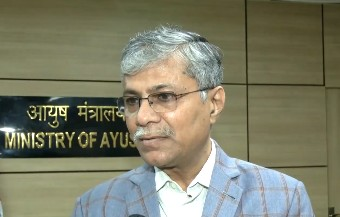
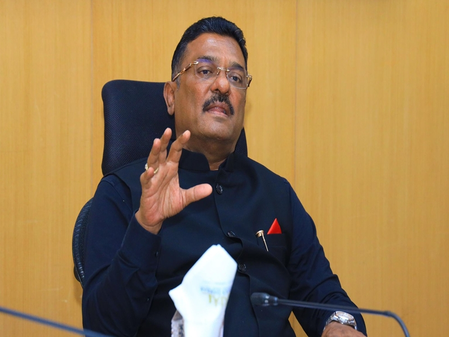
New Delhi, Dec 13 (IANS) India is emerging as a global leader in integrating artificial intelligence (AI) into traditional medicine, said Vaidya Rajesh Kotecha, Secretary, Ministry of Ayush.
Speaking to IANS, ahead of the second WHO summit on traditional medicines, Kotecha shared the importance of the event, which is set to boost the traditional medicine sector.
“I am happy to share that India is leading in the area of AI in traditional medicine. There is a working group of the World Health Organization (WHO), the International Telecommunication Union (ITU), and the World Intellectual Property Organization (WIPO). These three UN agencies are working together to develop AI in health. India has proposed to lead and to have a separate working group of traditional medicine, which was accepted,” Kotecha said.
“We are developing a lot of India-specific generative AI chatbots for our traditional medicine, digital solutions, and digital medicine platforms,” the Secretary added.
He noted that during the event, Prime Minister Narendra Modi is expected to launch “Ayush Integrated Portal, which is a digital solution on Ayush, called Ayush Grid”.
“The Ayush Grid is a one-stop solution for a master application about everything on Ayush. It has a separate AI-integrated interface for users, industries, researchers, and regulators,” the Ayush Secretary said.
Further, Kotecha told IANS that the second WHO Global Summit will seek commitment by member countries on traditional medicine.
The summit, to be held at Bharat Mandapam in Delhi, will see more than 110 nations come together and discuss what they will do for their country in the traditional medicine area.
“This is a significant event because it will help India not only in providing leadership in traditional medicine but also establish that traditional medicine can be mainstreamed and aid in the public health delivery and research,” Kotecha said.
The event will also see the launch of a global traditional medicine library, the Ayush Secretary told IANS.
“More than 1.6 million publications are indexed in the digital library, which will be a one-stop resource for anything about traditional medicine. Out of the 1.6 million records, 70,000 are from India,” he added.
–IANS
rvt/