Radio Brisvaani

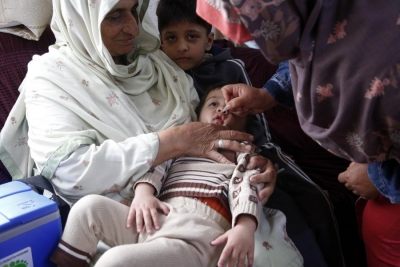
New Delhi, Feb 9 (IANS) The disruption in affordable pharmaceutical imports from India, especially vaccines, has sharply increased Pakistan’s financial burden and the country stares at an annual import bill of $1.2 billion by 2031, according to reports.
The disruption due to last year’s military clashes exposed Islamabad’s heavy reliance on foreign manufacturing and donor support for routine immunisation as the country provides 13 vaccines free of cost but with zero domestic vaccine production, reports said.
Pakistan Health Minister Mustafa Kamal said a halt in Indian vaccine shipments is already hurting the economy and the situation could be more dire when international support for vaccine procurement ends by 2031.
“Pakistan contributes 51 per cent of the cost now, and unless we start local production of vaccines, we will face an annual import bill of $1.2 billion by 2031,” the minister was quoted as saying in reports.
The minister further said that Pakistan has traditionally procured cheap vaccines for immunisation and other requirements from India through Global Alliance for Vaccines and Immunisation (GAVI). Gavi served as a global purchasing and funding platform for poorer countries.
Pakistan currently imports vaccines at an annual cost of about $400 million, of which around 49 per cent is covered by international organisations operating through GAVI, the minister said.
GAVI helped secure millions of COVID‑19 doses from Indian manufacturers under the COVAX facility. The minister claimed that the government has begun preparatory work to build domestic vaccine production rather than wait for donor support to lapse.
With a surging population due to 6.2 births annually the demand for vaccines continues to skyrocket, making the absence of domestic production a serious vulnerability.
India halted its supply after the launch of Operation Sindoor on May 7, 2025, which targeted terror infrastructure in Pakistan and Pakistan-occupied Kashmir in retaliation for the Pahalgam attack that killed 26 civilians.
–IANS
aar/na