
Radio Brisvaani

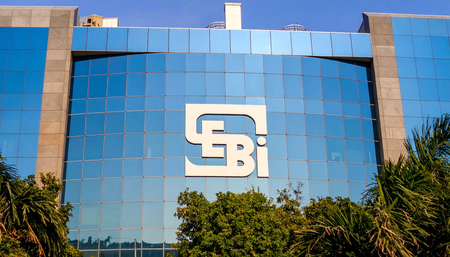
Mumbai, Dec 17 (IANS) India’s market regulator, the Securities and Exchange Board of India (SEBI), is expected to discuss major reform proposals at its upcoming board meeting on Wednesday, including a recommendation to make asset disclosures mandatory for senior officials to prevent conflicts of interest.
This will be the fourth board meeting chaired by Tuhin Kanta Pandey, who took charge as SEBI Chairperson on March 1.
One of the most important items on the agenda is a report submitted to him on November 10 by a high-level panel formed to review ethical standards within the regulator.
The panel has suggested wide-ranging reforms to improve transparency and promote what it calls a “zero-tolerance” approach towards conflicts of interest.
Among its key recommendations are compulsory public disclosure of assets by senior SEBI officials, a secure and anonymous whistleblower system to report ethical violations, a ban on accepting expensive gifts, and a mandatory two-year cooling-off period before officials can take up post-retirement assignments.
The panel has also proposed the creation of a new position of Chief Ethics and Compliance Officer to oversee these measures.
Apart from governance reforms, the SEBI board will also examine changes to market-related rules.
These include proposals to ease know-your-customer (KYC) requirements for non-resident Indians and to introduce a closing auction session in the stock markets, which could help improve price discovery at the end of the trading day.
Mutual fund regulations are another major focus area. SEBI has already released consultation papers suggesting a complete overhaul of existing rules to make them simpler and more transparent.
In October, the regulator proposed a clearer definition of the Total Expense Ratio, or TER, along with revised limits on brokerage charges.
The aim is to improve disclosures, remove unnecessary duplication, reduce costs, and make compliance easier for fund houses.
As part of these changes, the market regulator plans to remove the additional 5 basis points that asset management companies are currently allowed to charge across mutual fund schemes.
The regulator has also proposed keeping statutory taxes and duties such as Securities Transaction Tax, Goods and Services Tax, Commodity Transaction Tax, and stamp duty outside the TER limits.
In addition, the SEBI board will review stock broker regulations that date back to 1992.
–IANS
pk