Radio Brisvaani

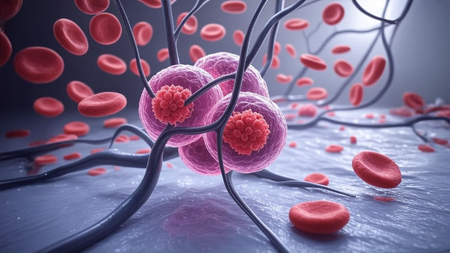
New Delhi, May 27 (IANS) Amid the surging number of cancer cases in women, a new study on Tuesday found its association with increasing global warming conditions.
In the study, published in the journal Frontiers in Public Health, scientists found that global warming in the Middle East and North Africa is making breast, ovarian, uterine, and cervical cancer more common and more deadly.
While the rise in rates is small it is statistically significant and suggests a notable increase in cancer risk and fatalities over time.
“As temperatures rise, cancer mortality among women also rises — particularly for ovarian and breast cancers,” said Dr Wafa Abuelkheir Mataria of the American University in Cairo.
“Although the increases per degree of temperature rise are modest, their cumulative public health impact is substantial,” Mataria added.
The study focussed on countries like Algeria, Bahrain, Egypt, Iran, Iraq, Jordan, Kuwait, Lebanon, Libya, Morocco, Oman, Qatar, Saudia Arabia, Syria, Tunisia, United Arab Emirates, and Palestine — all seriously vulnerable to climate change and are already seeing striking temperature rises.
The team collected data on the prevalence and mortality of cancers — breast, ovaries, cervix, and uterine — and compared with changing temperatures between 1998 and 2019.
The prevalence of the different cancers rose by 173 to 280 cases per 100,000 people for every additional degree Celsius: ovarian cancer cases rose the most and breast cancer cases the least.
Mortality rose by 171 to 332 deaths per 100,000 people for each degree of temperature rise, with the greatest rise in ovarian cancer and the smallest in cervical cancer.
“Women are physiologically more vulnerable to climate-related health risks, particularly during pregnancy,” said co-author Dr Sungsoo Chun of the American University in Cairo.
“This is compounded by inequalities that limit access to healthcare. Marginalised women face a multiplied risk because they are more exposed to environmental hazards and less able to access early screening and treatment services,” Chun added.
–IANS
rvt/