Radio Brisvaani

Islamabad, Dec 9 (IANS) The militarisation of resource governance in Pakistan-occupied Gilgit-Baltistan (PoGB) reflects a broader pattern of Islamabad’s economic centralisation, with the region treated more as a strategic buffer than a socio-economically integrated area. Also, while the China-Pakistan Economic Corridor (CPEC) promised development, it has instead deepened local disillusionment, a report said on Friday.
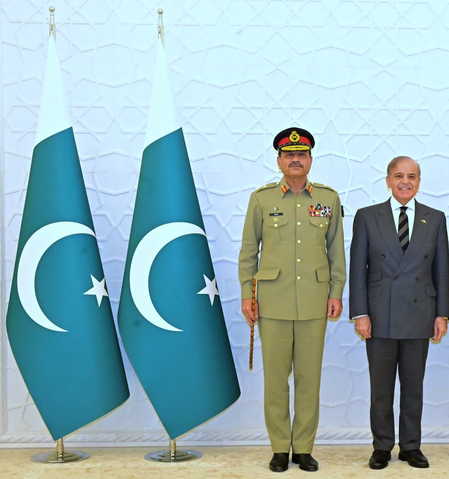
According to a report in the Afghan Diaspora Network, Pakistan’s Army Chief, General Asim Munir, has repackaged an old promise claiming that the nation’s future prosperity remains hidden beneath its soil. He has outlined a plan to exploit an estimated $6 trillion in mineral wealth, suggesting that rare earth discoveries in PoGB and Khyber Pakhtunkhwa (KP) could pull Pakistan out of economic decline.
“The narrative sells hope to a disillusioned population, but the reality beneath this rhetoric points to a deeper pattern of institutional overreach, militarisation of resources, and systemic neglect of peripheral regions of Pakistan. At the centre of this renewed mining drive stands the Special Facilitation Investment Council (SIFC), a military-dominated body created to attract foreign investment and stabilise Pakistan’s economy. In reality, SIFC has become an instrument for consolidating the military’s control over strategic sectors, particularly mineral and energy resources,” the report detailed
“On April 25, 2025, the SIFC drafted and pushed through the Mining and Mineral Amendment Act 2025, which centralised mining authority within the federal government, a body that increasingly operates under the army’s direct influence. The move effectively sidelined regional administrations and dismantled existing checks and balances,” it added.
The report highlighted that Pakistan’s federal authorities amended the PoGB Mining Concession Rules, 2024, notified on August 15, 2024, consolidating Islamabad’s control and limiting PoGB’s administrative autonomy, triggering widespread outrage in the region.
“In April 2025, the Shigar Valley witnessed one of its largest protests in years, led by the K2 Action Committee. Local residents, activists, and traders took to the streets chanting slogans such as “Kabze par kabza namanzoor” (Occupation upon occupation is unacceptable). Their anger stemmed from the perception that the new rules were designed to legalise resource plunder by corporate and military entities while denying locals any stake or say in their own land’s wealth,” it mentioned
“The protest reflected more than immediate economic grievances; it symbolised resistance to decades of exploitation, neglect, and political disenfranchisement,” it noted.
The report said PoGB residents “have heard the rhetoric of economic transformation before”, from “promises of CPEC dividends to pledges of local development”, yet each has left the people in the region disillusioned.
–IANS
scor/as