Radio Brisvaani

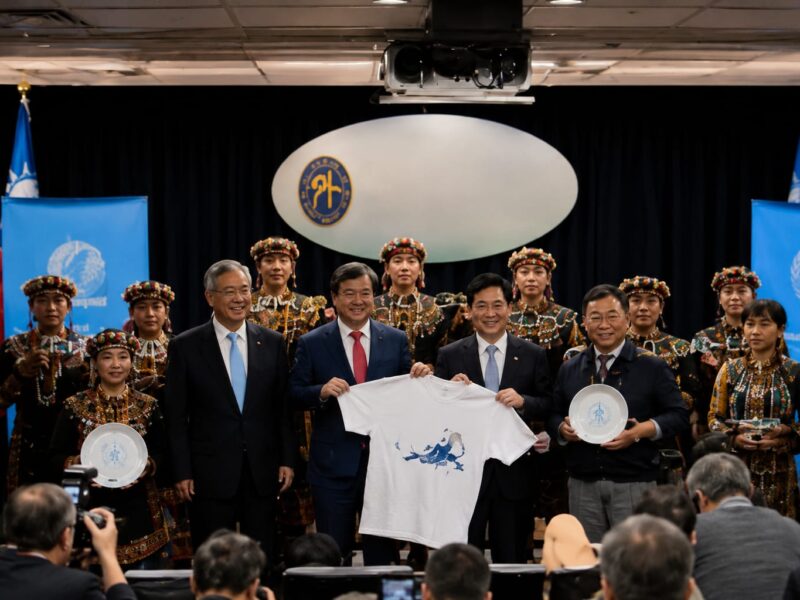
By Director-General Hou-Lu (William) Fan
WHA 79 and the growing importance of inclusive global health systems
From 18 to 23 May 2026, global health leaders, policymakers, researchers and medical experts will gather in Geneva for the 79th World Health Assembly (WHA 79) under the theme: “Together for health. Stand with science.” At a time when the world continues to confront emerging infectious diseases, ageing populations, chronic illnesses and growing pressure on healthcare systems, the theme carries both urgency and significance.
The challenges facing global health today cannot be addressed in isolation. Pandemics, health emergencies and disease outbreaks do not recognise borders, political systems or geography. They affect nations collectively and require international cooperation rooted in science, transparency and shared responsibility. In this context, the continued exclusion of Taiwan from meaningful participation in the World Health Organization (WHO) and the World Health Assembly remains a subject of growing discussion among supporters of inclusive global health governance.
Taiwan’s digital healthcare success and medical innovation
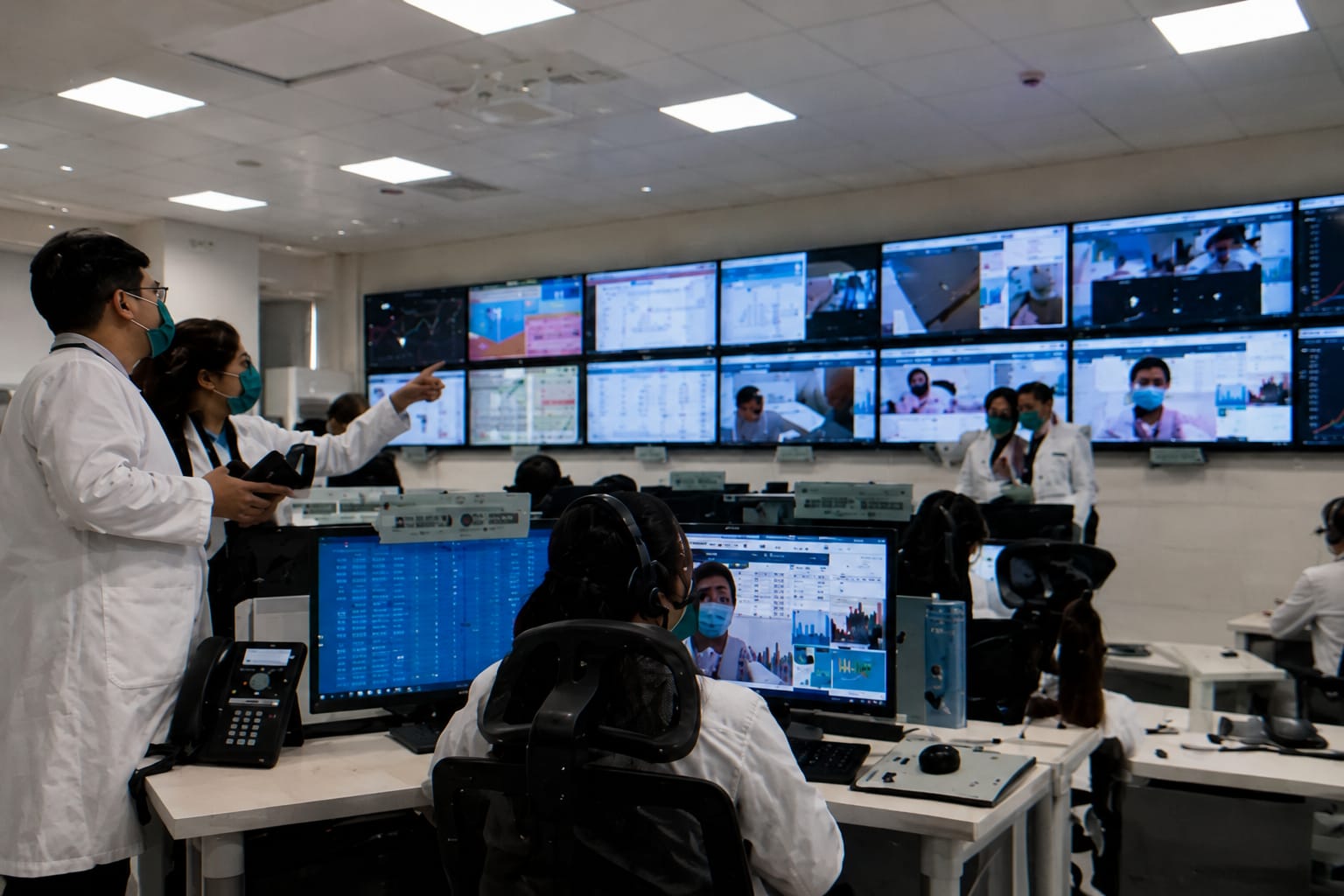
Taiwan today possesses one of the most advanced healthcare systems in Asia, combining universal healthcare coverage with digital innovation, technological integration and preventive medicine. Its National Health Insurance system provides near-universal coverage and is supported by a highly digitalised healthcare infrastructure. Through systems such as electronic medical record exchanges and the NHI MediCloud platform, healthcare professionals are able to securely access patient data in real time, improving efficiency, reducing duplication and enhancing patient safety.
Over recent years, Taiwan has also accelerated the use of telemedicine and smart healthcare technologies. Nationwide telemedicine services have enabled specialists to provide consultations to remote communities across a wide range of medical fields, including cardiology, dermatology and chronic disease management. The introduction of electronic prescription systems has further modernised patient care by enabling secure cloud-based sharing of medication information between hospitals and pharmacies. Such developments not only improve healthcare accessibility but also reduce medical errors and contribute to more sustainable healthcare systems.
Taiwan has also emerged as an important player in the application of artificial intelligence in healthcare. By collaborating with technology partners and research institutions, Taiwan has developed AI-assisted systems aimed at predicting disease risk and strengthening preventive care. Such initiatives are increasingly important as countries across the world confront rising rates of diabetes, cardiovascular disease and ageing-related health conditions.
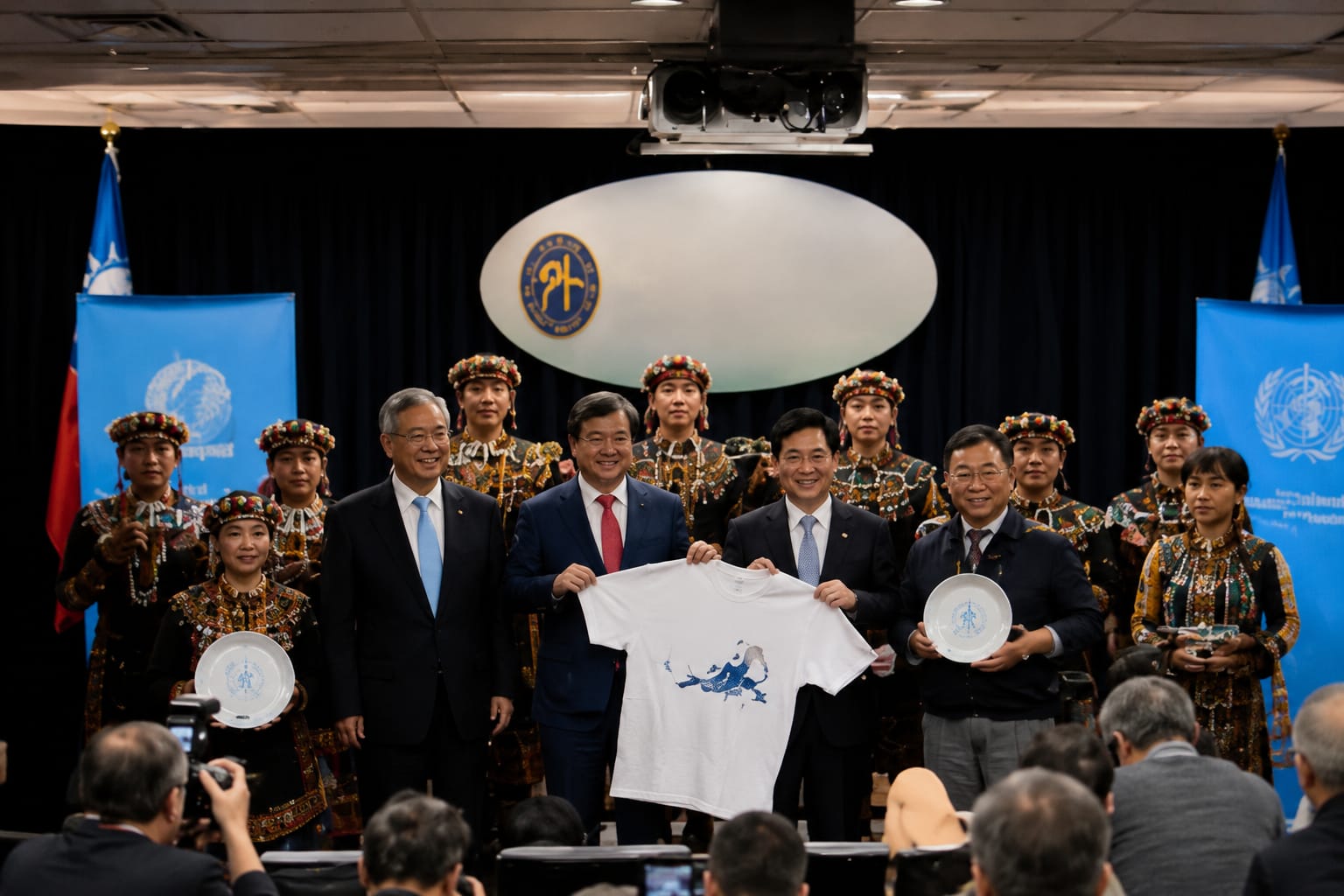
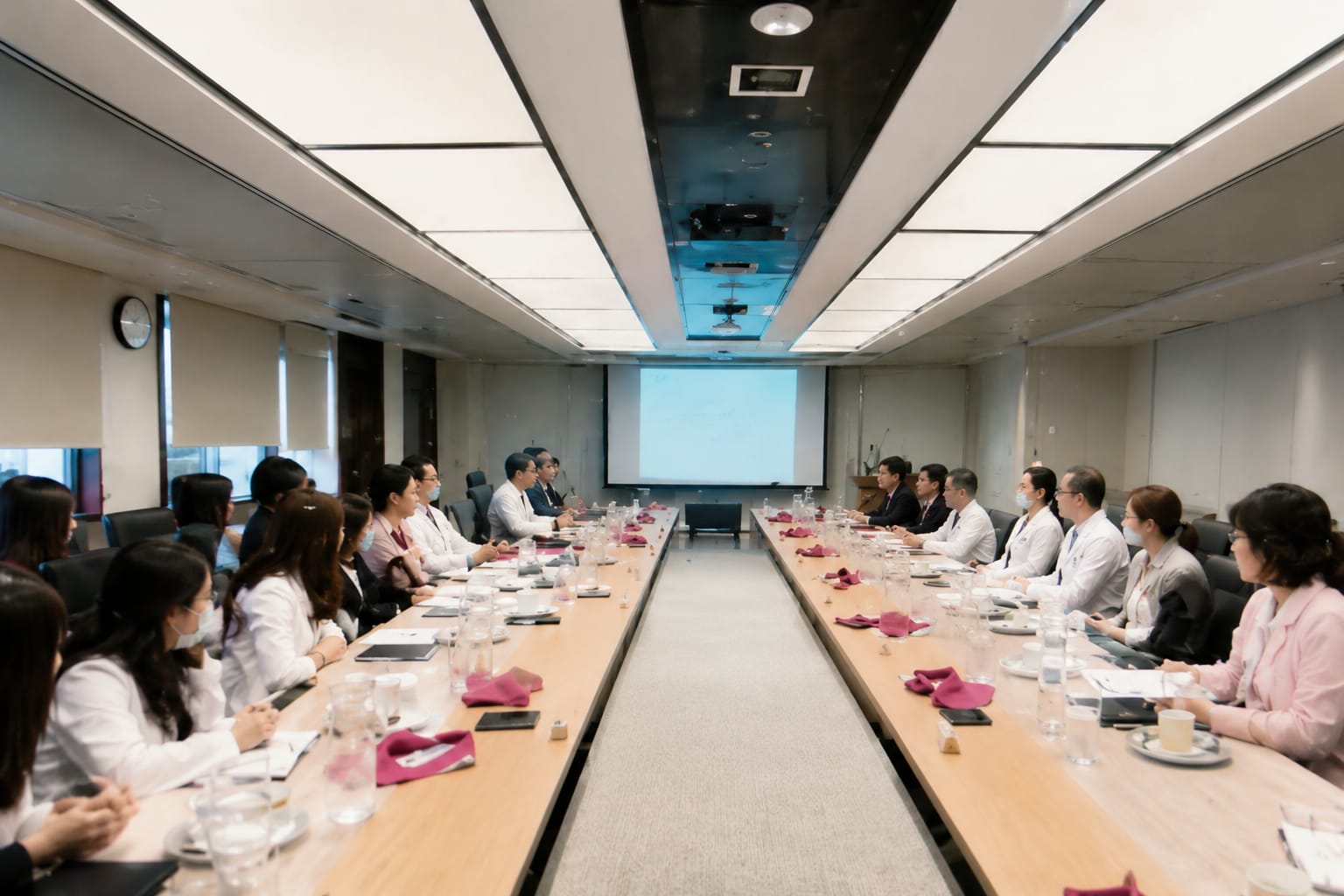
Long-term care and healthcare preparedness
In long-term care, Taiwan has introduced smart assistive technologies designed to support elderly populations and reduce pressure on caregivers. These technologies assist with mobility monitoring, patient safety and daily living support, reflecting the broader regional challenge of demographic ageing being experienced across the Indo-Pacific.
Importantly, these innovations are not theoretical concepts limited to policy discussions. They represent practical experiences that can contribute meaningfully to international health cooperation. The WHA theme, “Together for health. Stand with science,” emphasises evidence-based collaboration, and Taiwan’s healthcare experience aligns closely with that principle.
Taiwan’s community health contributions in Queensland
Taiwan’s contribution to healthcare has also extended beyond its own borders. During periods of international health emergencies, Taiwan has supplied medical equipment, healthcare expertise and humanitarian support to various countries and communities. In Queensland, Taiwan-linked organisations and volunteers have played a visible role in supporting healthcare outreach initiatives.
One example is the long-standing work of the Tzu Chi Foundation Brisbane, which for many years has organised medical outreach programs in regional and disadvantaged communities across Queensland. During the recent Easter period, volunteers including doctors, dentists, nurses and allied healthcare workers travelled to Tara in Queensland’s Western Downs region to provide hundreds of treatments and consultations. Services included dental care, physiotherapy, traditional Chinese medicine and general health assessments. Such initiatives reflect a model of community-driven healthcare support that operates beyond politics and focuses directly on human wellbeing.
Taiwanese institutions have also strengthened cooperation with Australian healthcare providers. In 2021, Taiwan Adventist Hospital and Brisbane’s Mater Group entered into a Memorandum of Understanding focused on collaboration in medical research, clinical training and hospital management. The agreement marked an important step in expanding institutional healthcare cooperation between Taiwan and Queensland.
At the community level, Taiwanese Australians have also contributed to Queensland’s healthcare and charitable sectors through volunteering, fundraising and support for hospital foundations. These activities demonstrate how diaspora communities can help strengthen social and healthcare connections between societies.
The debate over Taiwan’s participation in WHO
The broader issue, however, concerns Taiwan’s limited participation within the WHO framework. Supporters of Taiwan’s inclusion argue that the exclusion creates avoidable gaps in international health cooperation. Taiwan possesses extensive experience in infectious disease surveillance, digital health systems and pandemic response. During the early stages of the COVID-19 outbreak, Taiwan was widely noted for its rapid response measures, border controls, digital monitoring systems and public health management.
Despite these capabilities, Taiwan’s participation in WHO technical meetings and information-sharing systems has remained restricted and inconsistent. Critics of the current arrangement argue that excluding a highly developed healthcare system from global health mechanisms weakens overall preparedness and reduces opportunities for information exchange.
The issue also carries broader implications for global health security. Infectious diseases spread rapidly across borders, and any gaps in international coordination can affect global response efforts. Public health experts frequently emphasise that effective disease prevention depends on transparency, timely information-sharing and inclusive participation.
Australia, regional cooperation and shared health goals
Australia has consistently supported rules-based international cooperation and evidence-based policymaking in global affairs. As Australia and Taiwan continue to deepen ties in trade, education, technology and people-to-people engagement, healthcare cooperation has also become an increasingly important area of interaction.
Within Australia, discussions around Taiwan’s participation in international organisations are often framed in practical terms rather than ideological ones. Advocates point to Taiwan’s healthcare achievements, technological capabilities and contributions to international medical cooperation as reasons for broader engagement.
The WHA 79 theme itself reinforces the importance of scientific cooperation at a time when healthcare systems worldwide face mounting pressures. Emerging diseases, antimicrobial resistance, mental health burdens and ageing populations require collaborative responses that draw on expertise from multiple regions and healthcare models.
Global health requires inclusive participation
Taiwan’s experience in digital healthcare, telemedicine, preventive medicine and healthcare system integration offers insights that many countries may find valuable. Excluding such experience from international dialogue risks limiting the exchange of knowledge at a time when global cooperation is increasingly essential.
As delegates gather in Geneva under the banner “Together for health. Stand with science,” the broader message remains clear: healthcare challenges are global, and effective solutions depend on inclusion, cooperation and scientific engagement.
For supporters of Taiwan’s participation, the argument is ultimately rooted in practicality. They believe that global health systems become stronger when capable partners are included rather than isolated. In an interconnected world where health emergencies can spread rapidly across continents, international health security depends on broad participation and shared expertise.
The continuing debate surrounding Taiwan’s role within the WHO framework therefore extends beyond diplomacy alone. It reflects larger questions about how the international community defines cooperation, scientific exchange and collective preparedness in an era where health challenges increasingly affect all nations together.
(The author is Director-General, Taipei Economic and Cultural Office Brisbane. The views expressed are his own.)