Radio Brisvaani

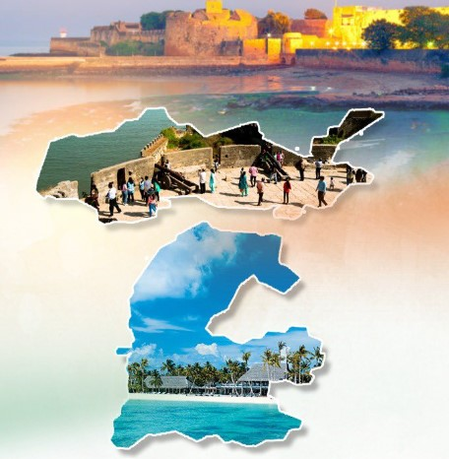
New Delhi, May 30 (IANS) Congress President Mallikarjun Kharge on Saturday extended greetings to the people of Daman and Diu on their Foundation Day, highlighting the region’s cultural diversity and its contribution to national unity and progress.
The Indian National Congress also conveyed its wishes through its official social media handle on the occasion.
In a post on X, Kharge said, “Warm greetings to the people of Daman and Diu on their Foundation Day. The rich cultural diversity and spirit of harmony shared by the people of Daman and Diu continue to strengthen the nation’s unity, progress and collective prosperity.”
The Indian National Congress, in its official post on X, stated, “On Daman and Diu Foundation Day, the Congress family extends warm wishes to the people of the region.”
“We honour its vibrant heritage, diversity and contribution to the nation, while reaffirming our commitment to inclusive development,” it added.
Daman and Diu, a former Portuguese colony on India’s western coast, were integrated into the Indian Union in 1961 following ‘Operation Vijay’, which marked the end of more than four centuries of colonial rule. The territory was later administered as a Union Territory along with Dadra and Nagar Haveli, before being merged into a single Union Territory in 2020.
The region is known for its coastal geography, historic forts, and cultural blend shaped by Portuguese and Indian influences. Daman, located on the Gujarat coast, is known for its beaches and colonial architecture, while Diu, an island off the Kathiawar coast, is recognised for its forts, churches, and tourism appeal. The economy of the region is primarily driven by tourism, fisheries, and small-scale industries.
Over the years, both Daman and Diu have developed as popular tourist destinations, attracting visitors for their heritage sites such as Diu Fort, Naida Caves, and the Church of St. Paul. The Union Territory continues to play a role in India’s coastal economy and tourism development, while retaining its distinct cultural identity shaped by centuries of maritime trade and colonial history.
–IANS
rs/rad