Radio Brisvaani

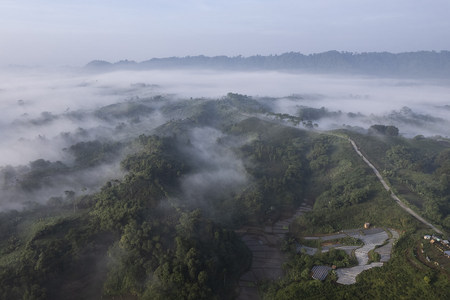
Melbourne, Oct 6 (IANS) El Nino and warming in the tropical Atlantic could help provide early warning of extreme heat in the Amazon, with some signals appearing as much as seven months earlier, new research has found.
Researchers from the Australian Research Council Center of Excellence for the Weather of the 21st Century and Brazil’s National Institute of Space Research studied how major patterns of natural climate variability influence temperature and rainfall extremes across the Amazon Basin, according to a statement released on Tuesday by the Australian centre.
The study found Amazon heat extremes were more likely to follow unusually warm conditions associated with El Nino in the tropical Pacific and warming in parts of the tropical Atlantic, reports Xinhua news agency.
The clearest long-range signal occurred from March to May, when extreme heat across much of the Amazon was associated with climate conditions observed up to seven months earlier, according to the study published in the journal Earth’s Future.
The research also found early-warning potential for compound hot-dry events, particularly in the northern and lower central Amazon, although predictability was considerably weaker elsewhere.
Researchers said machine learning allowed them to examine relationships with extreme compound events, which are harder to predict.
Compound hot-dry events can increase fire risk, damage ecosystems and threaten human health, food security and water supplies, while weakening the Amazon’s ability to absorb carbon dioxide, they said, noting that hot-dry events have become more frequent and intense, with early warnings helping communities and governments prepare for dangerous heat and drought.
The study identifies regions and seasons where Pacific and Atlantic climate conditions could provide early warning, but further research is needed to translate these relationships into practical warning systems.
–IANS
sd/