Radio Brisvaani


New Delhi, April 26 (IANS) Bangladesh’s once-thriving startup ecosystem is showing clear signs of strain, with funding drying up, companies scaling back operations, and even prominent firms struggling to meet basic obligations like paying salaries, a report has said.
The crisis came into sharp focus in early March when hundreds of employees protested outside the Jashore office of Chaldal over unpaid wages, with some workers claiming they had not been paid for up to four months, according to The Daily Star report.
The episode has raised fresh concerns about the health of a sector that was once seen as a symbol of the country’s digital and economic rise.
Founded in 2013, Chaldal had emerged as a pioneer of online grocery delivery in Bangladesh, becoming a household name in urban areas.
The company reportedly raised around $40 million between 2015 and 2025 and expanded aggressively, especially during the Covid-19 pandemic, when its annual revenue surged to $55 million.
Chaldal’s troubles reflect a broader downturn across the startup ecosystem, which flourished during the 2010s with the rise of companies such as bKash, ShopUp, Pathao, and Shohoz.
Global firms like Uber and foodpanda also entered the market, drawn by rapid digital adoption and strong economic growth.
At its peak, Bangladesh had over 1,200 active startups, with nearly 200 new ventures launching each year.
The sector attracted more than $1.12 billion in funding since 2010, largely driven by foreign investors.
The high point came in 2021, when startups raised over $434 million across 94 deals, including a landmark $250 million investment in bKash by SoftBank.
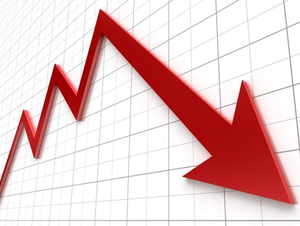
However, the momentum has since slowed sharply. By 2024, annual funding dropped to just $42 million across 41 deals, and in 2025, only 12 deals were recorded, bringing in around $124 million, the report stated.
Notably, nearly all of that funding came from a single $110 million deal backing SILQ Group, formed through the merger of ShopUp and Saudi-based Sary.
Industry leaders said the downturn is the result of both global and domestic pressures.
Waseem Alim said the company had never faced salary payment issues in its 12–13 years of operation before August 2025.
Fahim Ahmed noted that startups have been facing increasingly precarious conditions over the past two years, the report stated.
–IANS
pk