Radio Brisvaani

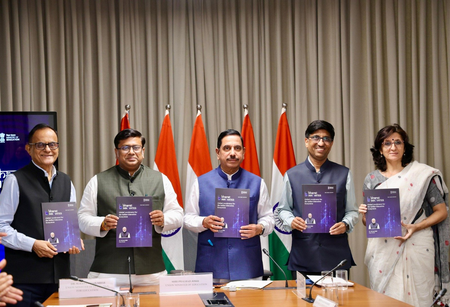
New Delhi, May 28 (IANS) Independent think tank Chintan Research Foundation (CRF), in collaboration with Grant Thornton Bharat, on Wednesday said it successfully conducted a high-level national workshop titled “Private Sector Participation in the Nuclear Power Sector in India: Opportunities, Challenges, and the Path Ahead” in the national capital.
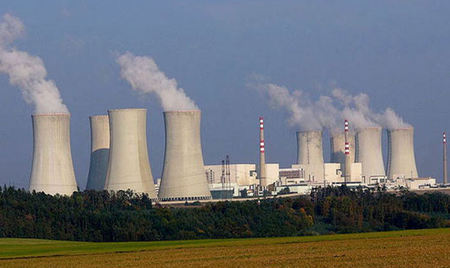
The workshop was held in the context of India’s expanding energy demand and long-term clean energy goals, including the ambition to achieve 100 GW of nuclear power capacity by 2047 under the Nuclear Energy Mission.
With legislative reforms under consideration, the workshop provided a platform for structured dialogue among key stakeholders from ministries, regulators, public sector enterprises, leading private corporations, think tanks, law firms, financial institutions, and international strategic partners.
The event opened with the welcome address by CRF President Shishir Priyadarshi, followed by the keynote address from Dr Montek Singh Ahluwalia, who emphasised nuclear energy’s pivotal role in India’s clean and secure energy future.
A context-setting presentation by Grant Thornton Bharat outlined the global landscape for nuclear-private sector engagement and identified structural constraints and enablers in the Indian context.
The session on ‘Policy and Regulatory Reforms’ included representatives from the Vivekananda International Foundation, Grid Controller of India Ltd, Centre for Air Power Studies, and PLR Chambers, who provided perspectives on governance, regulatory frameworks, and legal modernisation.
The key points of discussion were the proposed amendments to the Atomic Energy Act, 1962, and the Civil Liability for Nuclear Damage Act, 2010; liability-sharing and reinsurance ecosystem design; the need for modernizing licensing, updating seismic/exclusion zone norms, and enabling concurrent reviews for imported technologies; and opportunities for establishing flexible governance models under the Electricity Act for pricing and project structuring.
The session on ‘Enabling Frameworks for Investment’ brought together participants from Adani Group, JSW Energy Ltd, L&T Heavy Engineering, National Institute of Advanced Studies, Council for Energy, Environment and Water, and FICCI.
The key discussion points were practical challenges in structuring viable nuclear projects under current public procurement and RFP formats; global models for financing nuclear projects, including the Regulated Asset Base (RAB) approach, sovereign guarantees, and cost-recovery mechanisms; discussion on private sector roles across the value chain from EPC to potential O&M and investment partnerships; and the need to build domestic supply chain resilience and develop skilled human capital to support the 100 GW ambition.
The concluding session on Nuclear Technology and International Diplomacy featured contributions from NTPC Ltd., World Nuclear Association, The Voices of Nuclear and RePlanet France, Pacific Forum, Westinghouse, and Pranos Fusion.
The key points of discussion were the strategic role of Small Modular Reactors in decarbonization and distributed clean energy; India’s positioning in global technology partnerships, including licensing, collaboration and access to next-generation designs; fuel security strategies through multilateral procurement frameworks and domestic supply chain development; and the importance of proactive public outreach and communication to build trust in nuclear energy as a clean and safe option.
The workshop highlighted that India’s energy transition must actively incorporate collaboration with private sector partners, particularly to access advanced technologies and expertise.
The stakeholders called for innovative financing mechanisms that lower the cost of capital, ensure tariff certainty, and strengthen supply chains to enable scalable deployment of nuclear technologies, including small modular reactors.
—IANS
na/