Radio Brisvaani

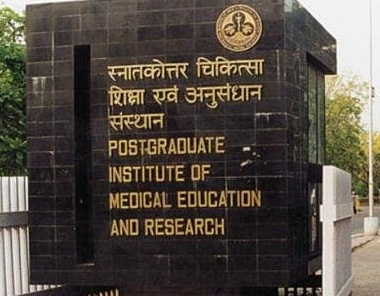
Chandigarh, Aug 2 (IANS) A study by the Postgraduate Institute of Medical Education and Research (PGIMER) in Chandigarh says that a diabetic patient can return to normal blood sugar levels without medication for at least three months.
For decades, type 2 diabetes has been viewed as a lifelong, irreversible condition, requiring daily medication, strict dietary control, and constant lifestyle management. But new hope is emerging with this clinical study that has shown that “remission” may be possible through a carefully designed and practical strategy.
“Remission” is the term scientists use, meaning a return to normal blood sugar levels with HbA1c at 6.5 per cent without any diabetes medication for at least three months. Type 2 diabetes, which affects millions globally and has become a growing health concern in India, has long been seen as a chronic disease without a cure. Patients are often told they must manage it for life, with pills and blood sugar logs becoming permanent companions. But what if there was a chance to hit reset?
A made-in-India approach led by Dr Rama Walia, a team of researchers at PGIMER, launched the DiaRem-1 study, aiming to explore whether tight blood sugar control using modern medicines, combined with lifestyle changes, could push the disease into “remission”. What makes their work stand out is that it does not rely on extreme weight loss diets or costly surgeries, which are often impractical for many patients.
They selected adults diagnosed with type 2 diabetes in the past five years, whose blood sugar was still reasonably controlled. For three months, these participants were placed on a combination of proven diabetes medications and guided through diet and physical activity. After that, all medications were stopped, and for the following three months, researchers monitored whether their blood sugar levels could remain in the normal range — drug-free. What happened? The results were eye-opening.
About one in three participants (31 per cent) achieved diabetes “remission”, meeting the internationally defined benchmark of maintaining HbA1c below 6.5 per cent without medication for at least three months. Surprisingly, both treatment groups — one using newer medications like liraglutide and dapagliflozin, and the other using more commonly available medicines like glimepiride and vildagliptin– saw similar remission rates. The average weight loss was modest, 4.7 kg in the intervention group and three kg in controls.
MRI scans in select participants showed dramatic declines in internal fat stores, a 51 per cent drop in liver fat and 48 per cent in pancreatic fat, which are crucial contributors to insulin resistance and worsening diabetes. Doctors now understand that two major culprits drive diabetes progression: glucotoxicity (too much sugar damaging beta cells) and lipotoxicity (fat accumulation impairing insulin action). By reversing these with medication and lifestyle therapy, the pancreas gets a much-needed break and, in some cases, begins to function more normally again.
Those who achieved remission also had better beta-cell function (as measured by a ‘disposition index’) and lower levels of insulin resistance (HOMA-IR) compared to those who didn’t. Importantly, no single patient characteristic, age, weight, or duration of diabetes, could predict who would succeed, making this approach potentially applicable to a wide range of patients in the early stages of diabetes. What about the side effects and safety?
The study says minor side effects like nausea were seen, especially in those taking liraglutide, but there were no serious health risks noted. Notably, no patients in the intervention group experienced low blood sugar, a common concern with diabetes medications.
–IANS
vg/uk