Radio Brisvaani

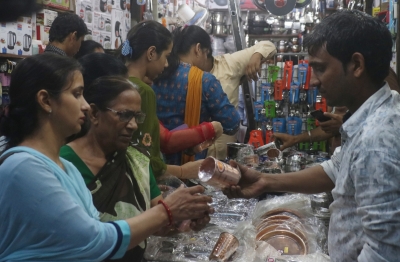
New Delhi, Sep 25 (IANS) GST 2.0 rate cuts provide direct relief to Delhi households in their everyday expenses and a multi-sector stimulus to the city’s economy as MSMEs, traders and the hospitality sector benefit due to higher demand, reduced costs of inputs and improved competitiveness.
From Karol Bagh’s automobile and apparel markets to Sadar Bazar and Khari Baoli’s wholesale trade, Chawri Bazar’s paper hub and the bustling lanes of Chandni Chowk, the impact will be widespread. At the same time, lower rates on mass-consumption goods and essential services will directly reduce costs for families across the state.
Delhi is a major hub for automotive components trading. Areas like Karol Bagh and Kashmere Gate are famous for their wholesale and retail markets. These family-run businesses and MSMEs form a network that not only serves Delhi’s huge vehicle population but also distributes parts across north India and even exports to neighbouring countries (Delhi auto hubs’ trade is valued at around Rs 1,000 crore monthly to Bangladesh). Delhi’s markets are a critical distribution node for India’s auto components market, which had a turnover of Rs 6.14 lakh crore in FY24.
The reduction of GST on auto parts from 28 per cent to 18 per cent will reduce the cost of vehicle maintenance for consumers and mechanics by around 7.8 per cent. Cheaper spare parts mean lower service bills for vehicles, which will encourage owners to replace worn-out parts more promptly. This will improve vehicle safety and efficiency on Delhi’s roads.
As the national capital, Delhi is a major destination for tourists, business travellers and medical tourism. It offers everything from luxury properties to budget stays in Paharganj and Karol Bagh. In 2024, Delhi’s hotel market recorded about 72.9 per cent average occupancy with an average daily rate (ADR) of nearly Rs 10,273.
The new GST rate of 5 per cent for rooms below Rs 7,500 per night directly reduces the cost of staying in Delhi’s hotels. For example, booking a room at Rs 5,000 per night would now attract an additional tax of only Rs 250 (5 per cent). This makes hotel stays around 6.25 per cent cheaper. These savings accumulate over a multiple-night stay, which will result in higher occupancy rates.
To complement room-rate relief, key kitchen inputs used by hotels, restaurants, cafes, and caterers have also been cut from 18 per cent to 5 per cent. The 13-percentage-point tax reduction on these crucial kitchen supplies will directly lower the input costs for restaurants and hotels.
Delhi-NCR is the top city for hospitality job opportunities, with a 20.37 per cent increase in job postings in 2022-23. A sustained boost in the sector would translate into increased job creation and better earnings for the large workforce employed in Delhi’s hotels and restaurants.
Delhi is also a massive consumer of milk and dairy products. The city is served by an extensive supply network from cooperatives like Mother Dairy and Amul. Delhi employs thousands of workers in milk processing plants (like the Mother Dairy plant in Patparganj) and as delivery agents or vendors in local markets.
Footwear, eco-friendly furniture, beauty and wellness services, and printing-paper packaging all sit in Delhi’s consumer basket while powering its MSME engine. The GST cut on affordable footwear and finished leather, along with furniture, printing & stationery items, will lower final prices and ease working-capital strain for small traders.
GST on items like bamboo, cane, and rattan furniture is now 5 per cent, improving affordability for households and demand certainty for artisans and small retailers. The furniture sector provides employment to thousands in both formal showrooms and informal workshops across Delhi, with major markets in Kirti Nagar and Panchkuian Road.
–IANS
sps/vd