Radio Brisvaani

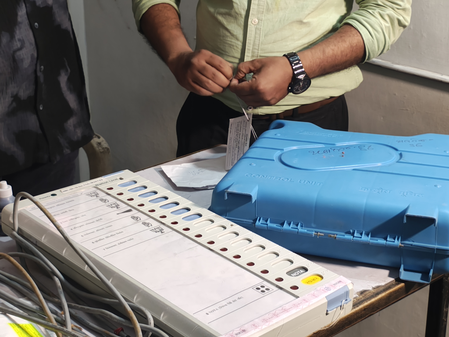
Gandhinagar, April 26 (IANS) Polling for Gujarat’s local body elections concluded at 6 p.m. on Sunday, with turnout figures indicating moderate participation across the state’s urban and rural local bodies.
According to the data, the overall voter turnout stood at 57.14 per cent.
Among the different tiers, taluka panchayats recorded the highest turnout at 61.22 per cent, followed by district panchayats at 60.66 per cent and municipalities at 58.12 per cent.
Municipal corporations registered a comparatively lower turnout of 48.55 per cent.
In Ahmedabad, turnout for the municipal corporation polls was recorded at 45.35 per cent.
Within the city, Gomtipur reported the highest participation at 62.35 per cent, while Thakkarbapanagar saw the lowest turnout at 36.29 per cent.
The polling marked the culmination of a large-scale electoral exercise conducted across 15 municipal corporations, 84 municipalities, 34 district panchayats and 260 taluka panchayats in Gujarat.
More than 9,900 seats were contested across these local bodies, with more than 10,000 seats in total forming part of the election process.
The elections also saw participation from more than four crore voters across the state, making it one of the largest grassroots democratic exercises in Gujarat.
Polling was conducted using Electronic Voting Machines (EVMs) at thousands of polling stations, with extensive administrative and security arrangements in place.
In Ahmedabad district alone, more than 4,000 polling stations were set up for municipal and panchayat elections, supported by tens of thousands of polling personnel to ensure smooth conduct.
The elections featured a multi-cornered contest involving major political parties, including the Bharatiya Janata Party (BJP), Congress, Aam Aadmi Party (AAP), and AIMIM along with independent candidates.
Notably, 736 seats had already been decided unopposed prior to polling following withdrawals during the nomination phase.
With voting now complete, attention shifts to the counting process scheduled for April 28, when results will determine the composition of local self-government institutions across the state and shape governance at the grassroots level.
–IANS
mys/khz