Radio Brisvaani

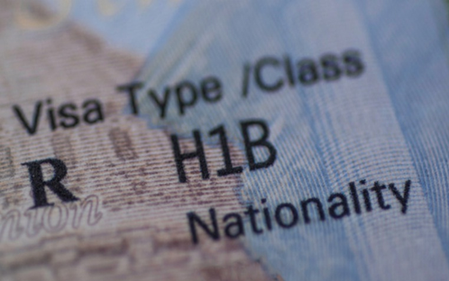
New Delhi, Aug 25 (IANS) IT industry’s apex body Nasscom said on Tuesday that a proposed increase in visa fees in the US must be viewed in the context of the programme’s original purpose of enabling access to temporary skills, where there is a shortage in the US.
Nasscom said it remains actively engaged with all key stakeholders on this matter.
The new $103,265 H-1B executive rule is a proposed US Department of Homeland Security regulation where the public has 30 days to comment.
The administration says the fee would recover immigration-system costs and encourage employers to hire and train American workers instead of relying on foreign labour.
Nasscom said the H-1B visa programme has long served an important purpose in addressing short-term skill gaps in the US.
“It is also important to recognise that, over the past 5 years, the number of H-1B employees of Indian technology companies operating has reduced significantly, as companies have steadily expanded local hiring,” said the industry body.
The industry has also spent more than $1.1 billion for strengthening STEM pipeline in the US working with more than 130 universities and colleges in the US impacting 2.9 million students and upskilling more than 255,000 employees, according to a Nasscom statement.
The Donald Trump administration has proposed imposing an additional $103,265 fee on employers filing cap-subject H-1B petitions, a sweeping increase that could sharply raise the cost of recruiting skilled foreign workers, including professionals from India.
The Department of Homeland Security said the fee would apply to every cap-subject petition, including filings for workers eligible under the advanced degree exemption. Employers would pay it when filing the petition and in addition to all other applicable fees or payments.
DHS estimated that the fee would raise about $8.8 billion annually, based on a projected 85,000 cap-subject petitions each year.
The money would be used to recover part of the federal government’s costs of operating the legal immigration system. DHS listed immigration benefit adjudications, fraud detection, national security screening, modernisation of government systems and record collection among those expenses.
The annual H-1B allocation is limited to 65,000 visas, with a further 20,000 places available to foreign nationals who have earned a master’s degree or higher qualification from a US institution.
–IANS
na/