Radio Brisvaani

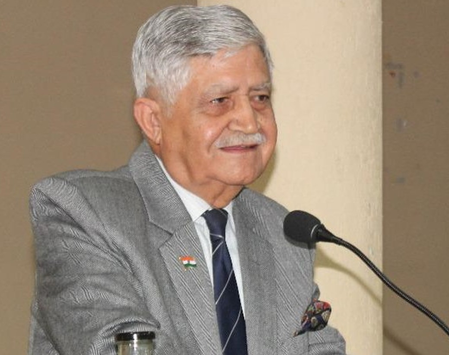
New Delhi, July 26 (IANS) On the 26th anniversary of India’s victory in the Kargil War, General VP Malik (Retd), who led the Indian Army during the 1999 conflict, spoke exclusively to IANS on Saturday.
Reflecting on the transformation of India’s security doctrine, Gen Malik lauded the shift from a restrained to a more proactive military posture under Prime Minister Narendra Modi.
Drawing a sharp contrast between the leadership styles of Atal Bihari Vajpayee and PM Modi, he emphasised the need for political unity on national security issues, warning against politicisation in Parliament.
Interview excerpts:
IANS: Looking back 26 years, what are your strongest memories from the Kargil War?
Gen VP Malik: There are many strong memories – from the initial shock of the intrusion to the challenges of fighting in treacherous terrain with limited intelligence and equipment. But what stands out most is the unmatched bravery of our jawans and officers. Many of them made the supreme sacrifice, fighting till their last breath with courage and determination. Their spirit continues to inspire generations.
IANS: You’ve witnessed two major leadership eras – from late Atal Bihari Vajpayee to PM Modi. How do you compare their approach to defence and national security?
Gen VP Malik: Both are great leaders. Vajpayee was more informal, consultative, and empathetic. He always ensured the needs of our soldiers and martyrs were met without delay. Even though his tenure was shorter, his restraint-based grand strategy during Kargil was followed by him with his Cabinet Committee on Security. Under PM Modi, the shift has been towards a proactive doctrine. Border infrastructure has improved significantly, and there’s a strong push for ‘aatmanirbharta’ in defence. We’re now producing world-class weapons – from BrahMos to Akash – and other nations are taking notice. This transformation was long needed, and it’s good to see it finally taking shape.
IANS: How has India’s military doctrine evolved since Kargil?
Gen VP Malik: There’s a marked shift. During Kargil, we strictly followed a policy of restraint. We weren’t allowed to cross the Line of Control or the international border. Today, under the Modi government, the doctrine is clearly more assertive. Starting from surgical strikes to the Balakot airstrikes and most recently Operation Sindoor, the armed forces now have greater strategic flexibility and support.
IANS: What lessons from Kargil remain relevant even today?
Gen VP Malik: The biggest takeaway is the need for constant vigilance and better intelligence gathering. Intelligence and surveillance must always remain a top priority. And of course, the bravery of our soldiers during Kargil is a timeless lesson in courage and patriotism.
IANS: How would you compare the Kargil conflict with Operation Sindoor? What were the challenges and achievements of both?
Gen VP Malik: While the political objectives in both cases were clear, the way we fight wars has changed drastically. In Kargil, we lacked modern equipment and technological support. Today, we have cutting-edge systems and are putting them to good use. But the one constant in both operations is the unmatched valour of our jawans – that is our greatest national asset.
IANS: There have been political debates over Operation Sindoor in Parliament. What is your view? Should these issues be raised in the parliament?
Gen VP Malik: National security should never be politicised. Traditionally, matters of defence and foreign policy were not debated openly. Criticism or review can happen later – like the Kargil Review Committee did after the war – but questioning the government in the middle of operations only damages the morale of our armed forces. Parliament should exercise restraint and responsibility in such matters.
–IANS
sas/dan