Radio Brisvaani

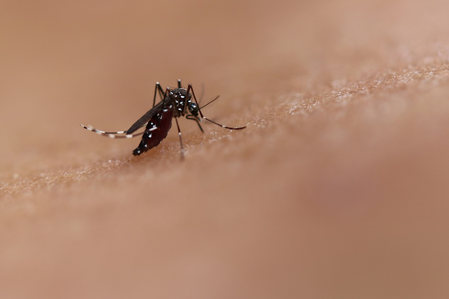
Hanoi, Jan 8 (IANS) Vietnam’s Ministry of Health has warned of a complicated dengue situation and the risk of a prolonged outbreak, Vietnam News Agency reported on Thursday.
The country recorded more than 181,000 dengue fever cases in 2025, including 36 fatalities, the ministry said.
Nguyen Trong Khoa, deputy director of the ministry’s Department of Medical Service Administration, cautioned that the outbreak could extend into 2026.
He said localities must not be complacent and should prepare dengue prevention and control measures for 2026.
Dengue (break-bone fever) is a viral infection that is spread from mosquitoes to people. It is more common in tropical and subtropical than in temperate climates.
Most people who get dengue do not have symptoms. For those who do, the most common symptoms are high fever, headache, body aches, nausea and rash. Most get better in 1–2 weeks. Some develop severe dengue and need care in a hospital.
In severe cases, dengue can be fatal.
You can lower your risk of dengue by avoiding mosquito bites, especially during the day.
Dengue is treated through pain management as there is no specific treatment currently.
Individuals who are infected for the second time are at greater risk of severe dengue. The symptoms of severe dengue often come after the fever has gone away and may include: severe abdominal pain, persistent vomiting, rapid breathing, bleeding gums or nose, and fatigue.
The incidence of dengue has grown dramatically worldwide in recent decades, with the number of cases reported to WHO increasing from 505 430 cases in 2000 to 14.6 million in 2024. The vast majority of cases are asymptomatic or mild and self-managed, and hence the actual numbers of dengue cases are under-reported. The disease is now endemic in more than 100 countries.
In 2024, more cases of dengue were recorded than ever before in a 12-month period, affecting over 100 countries on all continents. During 2024, ongoing transmission, combined with an unexpected spike in dengue cases, resulted in a historic high of over 14.6 million cases and more than 12 000 dengue-related deaths reported. The Region of the Americas contributed a significant proportion of the global burden, with over 13 million cases reported to WHO.
Several factors are associated with the increasing risk of spread of the dengue epidemic, including the changing distribution of the responsible vectors (chiefly Aedes aegypti and Aedes albopictus), especially in previously dengue-naive countries; climate change leading to increasing temperatures, high rainfall and humidity; fragile and overburdened health systems; limitations in surveillance and reporting; and political and financial instabilities in countries facing complex humanitarian crises and high population movements.
–IANS
int/jk/