Radio Brisvaani

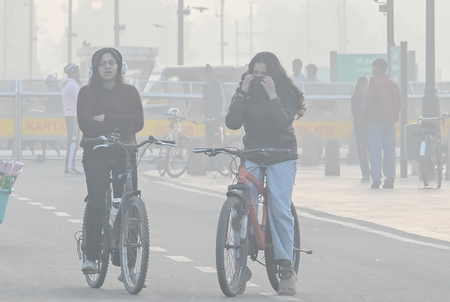
New Delhi, Dec 20 (IANS) Exposure to air pollution may have serious implications for a child’s developing brain and cause damage to language development, memory, and mood regulation, according to a study.
Air pollution causes harmful contaminants, such as particulate matter, nitrogen dioxide, and ozone, to circulate in the environment.
The study led by physician-scientists at Oregon Health & Science University in the US warned that exposure to air pollution is associated with structural changes in the adolescent brain, specifically in the frontal and temporal regions — the areas responsible for executive function, language, mood regulation, and socioemotional processing.
“What we discovered was a slow and subtle effect happening on the brain, and while it might not be causing symptoms immediately, it could be shifting developmental trajectories and outcomes over time,” said lead author Calvin Jara, resident in otolaryngology/head and neck surgeries in the OHSU School of Medicine.
For the study, the team analysed data from nearly 11,000 children.
The results, published in the journal Environmental Research, showed that baseline exposure to specific air pollutants in the early phase of adolescence, or the onset of puberty, generally ages 9 to 10, was associated with both persistent and developmental changes in cortical thickness — a measurement of the structural maturation of the outer layer of the brain.
Atypical cortical thinning, especially thinning that is accelerated, can be an indication of an underlying neurological disruption and result in associated cognitive impairment.
Researchers warn that these structural changes in the brain could have impacts on a child’s overall health, well-being, and life trajectory.
Alterations in the development of these critical brain regions could impair attention, memory, and emotional regulation, potentially leading to academic difficulties and behavioural concerns. Future research should continue to examine these broader long-term consequences, researchers said.
–IANS
rvt/