Radio Brisvaani

Tokyo, May 6 (IANS) Japan’s agriculture ministry said that a new outbreak of swine fever has been confirmed at a farm in the central prefecture of Shizuoka, marking the fourth such case reported in the country this year.
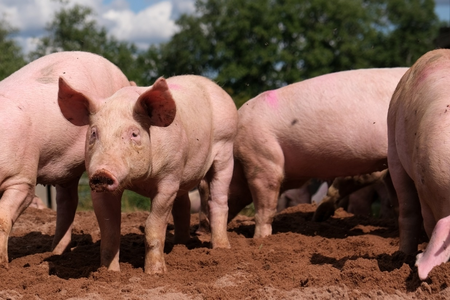
According to the Ministry of Agriculture, Forestry and Fisheries, nearly 3,000 pigs at the farm in the city of Fujinomiya will be culled.
Local authorities received a report of piglet deaths from the farm on Monday and conducted an on-site inspection. Test results confirmed that the pigs had been infected with classical swine fever.
The ministry said that all pigs at the affected farm will be culled, incinerated and buried. An epidemiological investigation team will also be dispatched to trace the source of the infection, while measures such as disinfection and preventing wild animals from entering the farm will be strengthened.
Swine fever is a highly infectious viral disease. It is not a danger to human health, but it has devastating effects on pig populations and the farming economy.
The virus is highly resistant in the environment, meaning that it can survive on clothes, boots, wheels, and other materials. It can also survive in various pork products, such as ham, sausages or bacon. Therefore, human behaviours can play an important role in spreading this pig disease across borders if adequate measures are not taken.
Pigs are a primary source of household income in many countries. The spread of ASF across the world has devastated family-run pig farms, often the mainstay of people’s livelihoods and a driver of upward mobility. It has also reduced opportunities to access healthcare and education.
Moreover, pork meat is one of the primary sources of animal proteins, accounting for more than 35 per cent of the global meat intake. Hence, this disease poses a serious problem for food security worldwide.
This disease is also a concern for biodiversity and the balance of ecosystems, as it affects not only domestic farmed pigs, but also wild boars, including native breeds.
–IANS
jk/