Radio Brisvaani

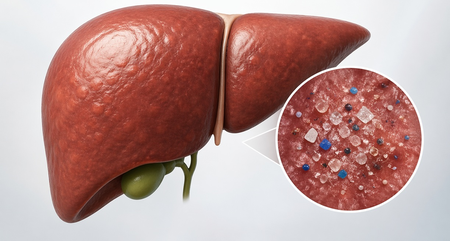
New Delhi, April 23 (IANS) There is clear evidence that exposure to micro and nanoplastics can trigger oxidative stress, fibrogenesis and inflammation in animals, features that resemble those of advanced liver disease in humans, researchers said on Thursday.
With the liver acting as the body’s first major firewall, processing and detoxifying everything humans consume, there is a clear potential for these particles to enable the transporting of microbial pathogens, antimicrobial resistance determinants, endocrine-disrupting chemicals, and carcinogenic additives into the human system, they emphasised in the Nature Reviews Gastroenterology & Hepatology journal.
The article’s lead author, Shilpa Chokshi, Professor of Experimental Hepatology and Director of Centre of Environmental Hepatology, said that liver disease is rising globally and is now responsible for 1 in 25 deaths worldwide.
“While established risk factors such as obesity and harmful alcohol use remain central, they do not fully explain the scale or pace of this increase. This has led us to consider additional environmental factors, including micro- and nanoplastics, which may interact with existing disease processes and amplify liver injury,” said Chokshi.
There is already strong evidence that plastics can accumulate and cause harm in the livers of animals, raising an important question – why should humans be any different?
In the review, the researchers highlighted critical methodological bottlenecks, key knowledge gaps and unmet research priorities, as well as a number of technical challenges that are presently hindering the search for further evidence of plastic-induced liver injury.
Professor Chokshi that we now have a growing body of evidence that plastics can accumulate in human tissues and have been implicated in a range of medical conditions.
“From my perspective, having spent over two decades developing therapeutics for liver disease, the liver acts as the body’s gatekeeper – processing and detoxifying what we are exposed to. In an increasingly plastic-laden world, where plastics are closely associated with our food, water and air, these exposures may not only reach the liver but also interact with existing disease processes and amplify harm,” Chokshi explained.
If this is the case, it is something we need to investigate in much greater detail, said researchers.
Professor Richard Thompson OBE FRS, Professor of Marine Biology at the University of Plymouth, said this is further evidence that plastic pollution is, without question, a global environmental and health challenge.
–IANS
na/